EuropeWorldNews | April 11, 2026
By Zara Redmond, Climate Correspondent
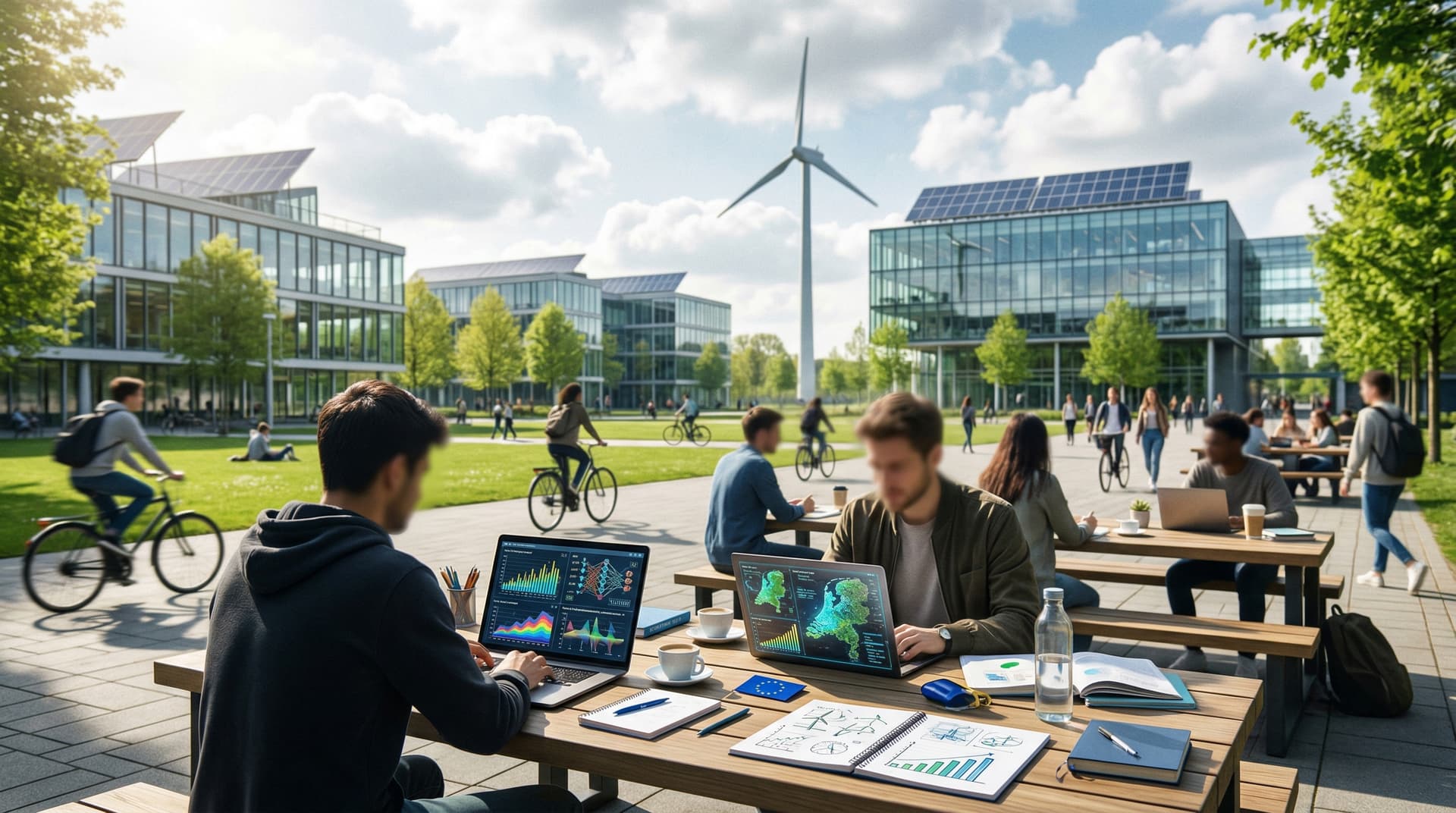
Arizona State University reported a 28% AI Major Shift this semester, with students abandoning environmental science (KTAR News, April 11, 2026). European universities and Commission officials monitor the trend closely. Green talent shortages now threaten EU Green Deal priorities.
Arizona's AI Major Shift
Arizona State University data reveals 1,200 new students enrolled in AI programs since January 2026. Environmental science enrollees dropped 15%, per registrar figures released April 11. Students prioritize AI for better job security.
A sophomore switched from biology to machine learning. She told KTAR News AI now automates routine environmental monitoring. Green jobs demand AI expertise, she added.
This trend mirrors U.S. patterns. The National Student Clearinghouse Research Center logged a 22% national rise in AI majors during Q1 2026.
Ripples Hit European Campuses
European universities track Arizona's AI Major Shift. The European University Association warned in an April 11 memo of similar shifts. Dutch TU Delft saw 18% more AI starters and 12% fewer climate engineering enrollees.
France's Sorbonne posted a 10% drop in environmental studies (INSEE spring 2026 statistics). Germany's RWTH Aachen filled AI programs to 95% capacity. Students prefer versatile tech skills to niche green roles.
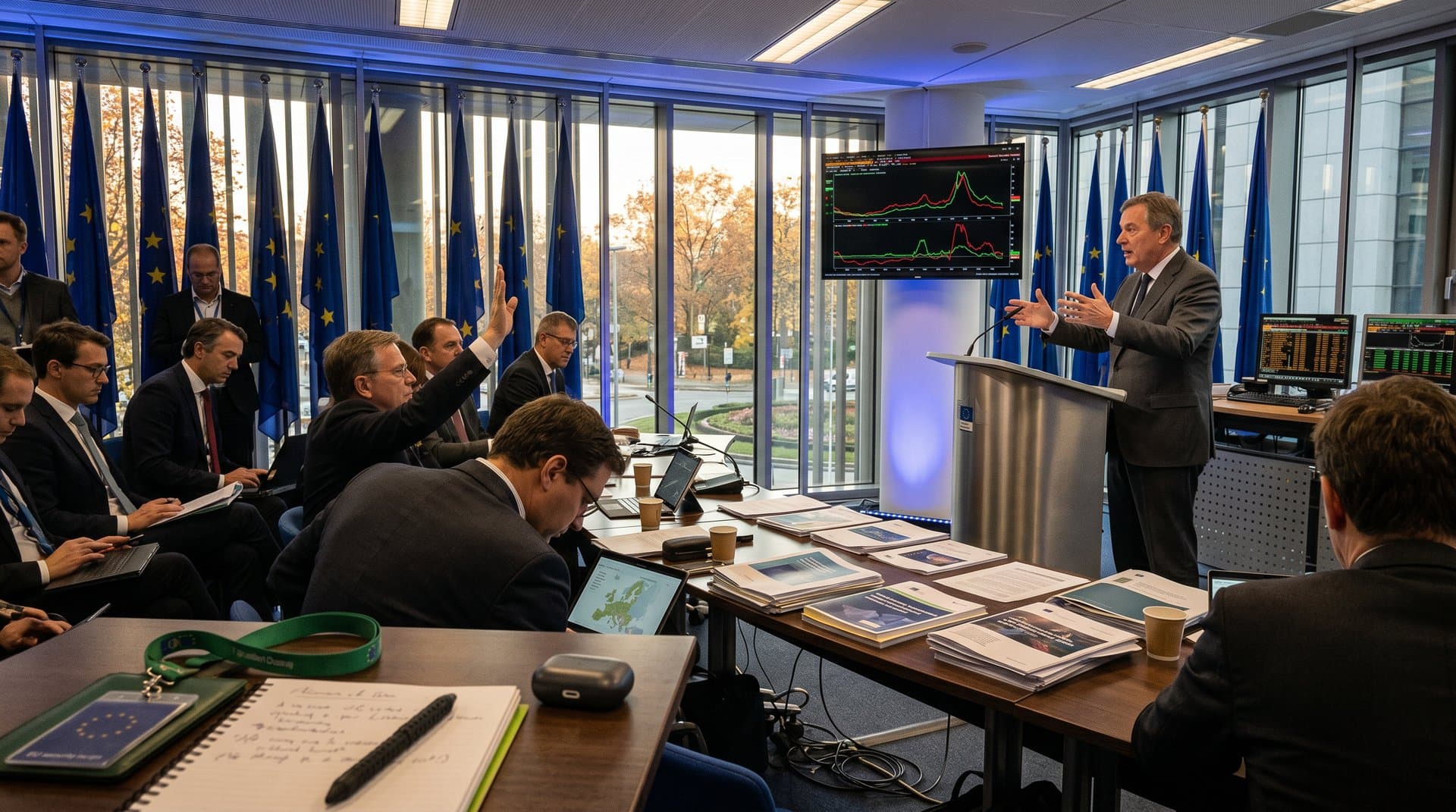
European Commission's DG Climate Action officials scrutinize the data. They fear talent drains from Green Deal priorities like renewable energy modeling. AI boosts wind farm outputs, but pure environmental graduates decline.
Green Deal Confronts Talent Crunch
The EU Green Deal targets carbon neutrality by 2050. It requires 1 million green jobs yearly (European Environment Agency, April 11, 2026). AI integration cuts manual data analyst roles by 30% (Max Planck Institute study).
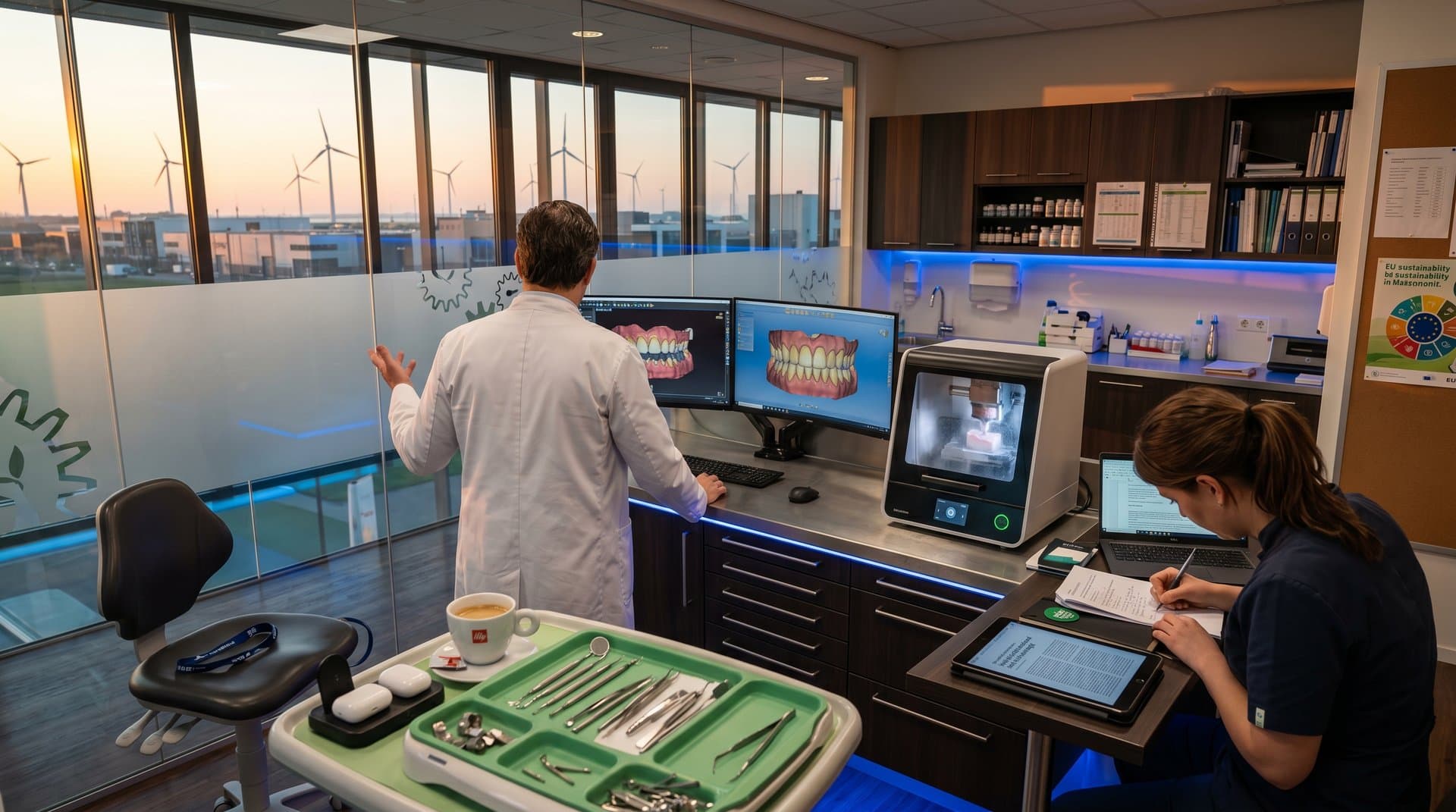
AI creates demand for hybrid experts. A 450-megawatt North Sea wind farm gained 25% efficiency via AI, powering 500,000 homes. Europe's 42.5% renewables goal by 2030 hinges on such tech.
Shortages hit immediately. Sweden's KTH Royal Institute lost 14% of environmental enrollees to AI tracks. Universities respond with joint programs.
Tech Boom Drives the Pivot
Nvidia chips power campus labs for real-time climate simulations. Arizona students deploy tools predicting drought patterns at 92% accuracy (university trials).
Europe invests aggressively. Horizon Europe allocated 2.5 billion EUR to AI-green projects since 2024. France's INRIA leads AI for biodiversity mapping.
Startups thrive. A Berlin firm uses AI to slash solar panel costs 18%, generating 120 gigawatt-hours yearly. These firms hire AI graduates over traditional scientists.
Finance Signals Mounting Concerns
Markets signal unease. CNN's Fear & Greed Index fell to 15 (extreme fear) on April 11, 2026. Bitcoin traded at 72,853 USD (+0.4%). Ethereum reached 2,248.41 USD (+0.9%).
AI stocks surged amid crypto swings. EU-based ASML, key for AI chips, rose 4% to 850 EUR per share on Euronext Amsterdam. Investors forecast 15 billion EUR for AI-green fusion by 2027 (BloombergNEF).
Crypto ties deepen. AI-blockchain projects like Fetch.ai raised 180 million USD. They automate carbon credit trading, trimming admin costs 40%. Students chase AI salaries averaging 95,000 EUR entry-level in Europe (Eurostat).
EU Policies Counter the Shift
Regulation (EU) 2024/1689, the Artificial Intelligence Act, deems certain climate AI high-risk. It mandates transparency since phased enforcement began August 2025. The European Commission unveiled education reforms April 11.
Erasmus+ channels 500 million EUR to AI-green curricula. Germany pilots dual majors at 20 universities. The Netherlands requires AI modules in environmental degrees.
Challenges persist. Vocational gaps widen. Eurostat notes 25% fewer environmental tech apprentices in 2026.
Outlook: Balancing AI Allure and Green Needs
Hybrid skills define the future. Universities like Imperial College London blend AI with sustainability, lifting enrollments 16%.
Deadlines loom. The EU faces penalties without 42.5% renewables by 2030. AI-trained graduates will chart compliant paths.
Arizona's AI Major Shift highlights the urgency. Europe balances AI's draw against green imperatives. Next enrollment reveals progress.