- 1. China produces 70% of global AI semiconductors (IDC).
- 2. EU invests €20B in supercomputing through 2030 (Commission).
- 3. EuroHPC targets 20 exascale supercomputers by 2027 (EuroHPC JU).
China AI dominance threatens Europe's €1 trillion digital economy, warns a New York Times opinion piece on April 13, 2026. The European Commission responds with €20 billion in supercomputing investments through 2030, plus US alliances and export controls. (32 words)
China Controls 70% of AI Semiconductors
China produces 70% of global AI semiconductors, IDC reports here. Shenzhen factories churn out chips rivaling GPT-5 capabilities. State-backed firms poured $136 billion into AI last year, per Bloomberg data.
China holds 50% of world data center capacity. Europe imports 80% of its AI hardware from Asia. Sinovation Ventures Chairman Kai-Fu Lee warns: "They build faster than regulators react," as quoted in Wired.
EU Lags in AI Adoption Rates
Only 10% of EU firms use generative AI, versus 45% in the US, Statista shows here. Soaring energy costs block data center expansion.
The EU AI Act requires high-risk system audits from August 2024, hitting startups hard. China approved 120 AI models since mid-2024 under looser rules, Reuters reports here. McKinsey forecasts AI adding €2.7 trillion to EU GDP by 2030 here.
Von der Leyen Drives €20B Tech Sovereignty Plan
European Commission President Ursula von der Leyen champions independence. "We regulate to innovate," she stated on April 12, 2026.
EuroHPC Joint Undertaking eyes 20 exascale supercomputers by 2027 here. €20 billion funds AI chips via Important Projects of Common European Interest (IPCEI), detailed in the Commission's AI strategy here. DG CONNECT coordinates implementation.
NYT Proposes Five EU Countermeasures to China AI Strategies
First, €7 billion in sovereign clouds from Recovery and Resilience Facility.
Second, recruit 30,000 AI experts with EU Blue Cards; Germany grants €100,000 to AI PhDs.
Third, boost open-source: Mistral AI raised €385 million in 2025.
Fourth, forge alliances: US-EU Trade and Technology Council harmonizes 60% of global AI standards.
Fifth, enforce controls: EU blocked €5 billion in chip exports to China.
Microsoft Backs EU-US AI Partnerships
Microsoft Vice Chair Brad Smith endorses hybrid rules. "Europe sets rules the world follows," he said at Davos, January 2026.
Microsoft invests €4 billion in German data centers. Azure runs 40% of EU AI workloads. Commission DMA fines total €10 billion since 2024.
Finance Sector Fortifies EU AI Tech Sovereignty
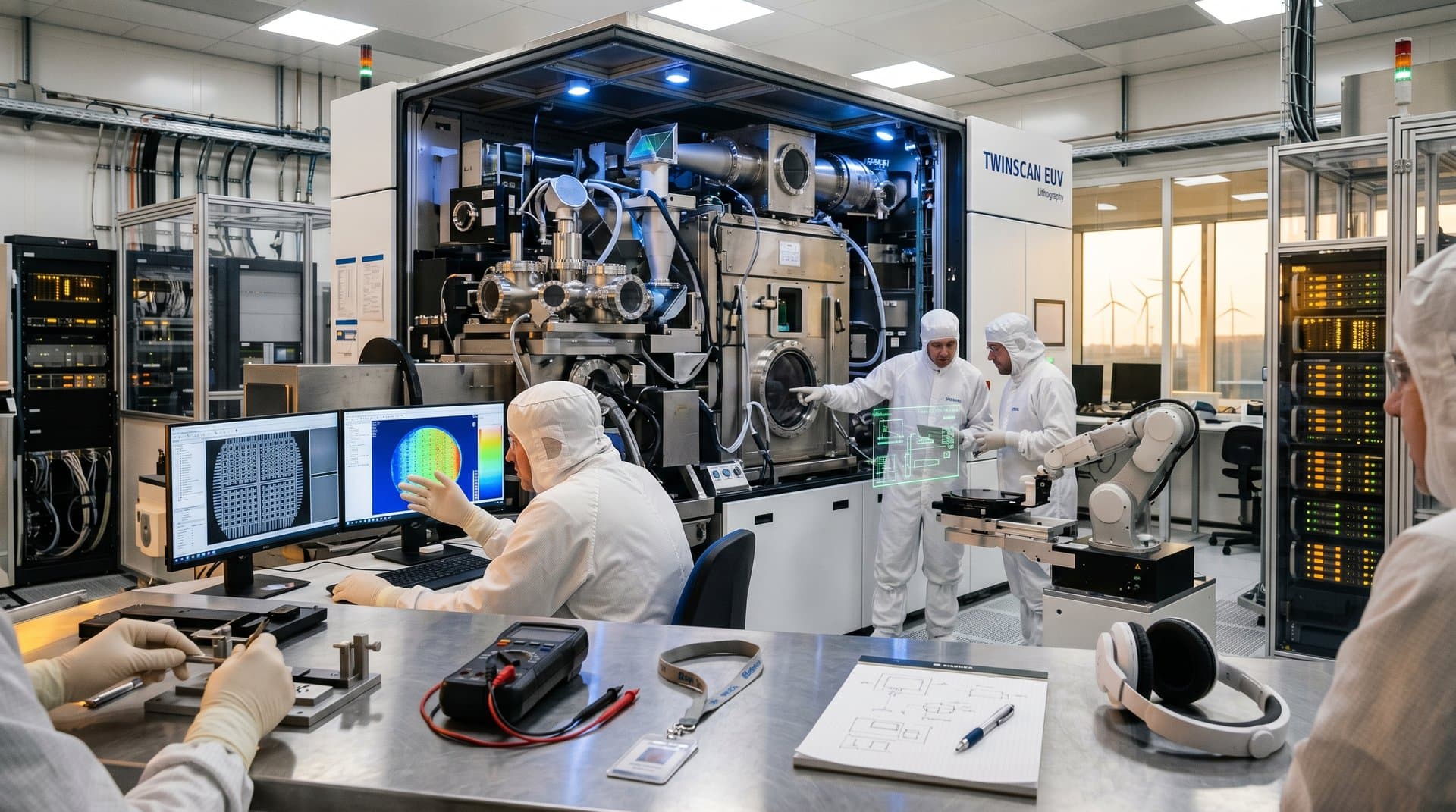
EU venture capital reached €50 billion in 2025, up 25%. ASML holds 80% of EUV lithography market.
China risks trigger warnings: 20% tariffs on imports could cost €15 billion yearly, European Central Bank models predict.
AI Act Exports EU Regulatory Influence Globally
EU rules shape global standards—China copies high-risk clauses; US firms gain 15% compliance lead. Digital Commissioner Henna Virkkunen mandates data disclosure for models over 10 billion parameters.
Ethical AI services yield €30 billion yearly; SAP integrates compliant tools.
US-EU Pacts Accelerate Joint AI Efforts
April 2026 deals share 1 petabyte of datasets; €2 billion funds quantum-AI via Horizon Europe. NATO commits €10 billion to AI cyber defenses.
EU Targets 20% Global AI Patents Share
EU's 8% patent share rises through €16 billion Horizon Europe. Private funds hit €100 billion; France and Germany lead with 60%.
China AI dominance persists with 10x larger models. The €20B EuroHPC plan succeeds at the 2027 Digital Summit, advancing Commission proposals to Council-Parliament trilogues.