By Hugo Jarvis, Economics Reporter April 11, 2026
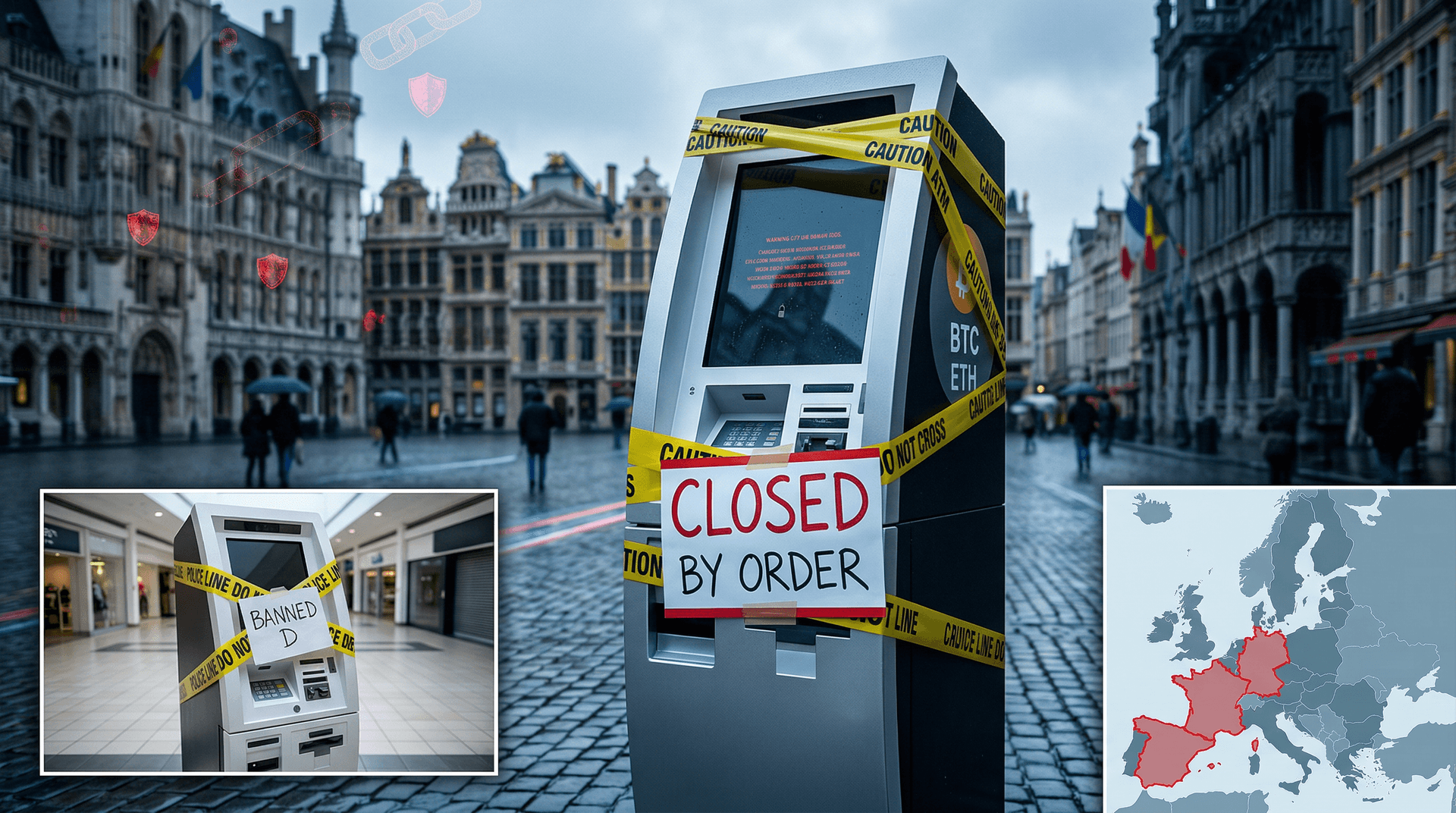
The Minnesota Senate passed a crypto kiosk ban bill on April 11, 2026. Lawmakers targeted scams and excessive fees on cash-to-Bitcoin machines. This move mirrors intensifying EU scrutiny under MiCA, including crypto kiosk bans.
Bitcoin traded at USD 73,671 on CoinMarketCap, up 0.7%. Ethereum climbed 2.9% to USD 2,317. Alternative.me's Fear & Greed Index registered 15, signaling extreme fear. XRP edged up 0.5% to USD 1.37, while BNB rose 0.6% to USD 612.92.
Crypto Kiosk Ban Bill Details
Senators approved SB 4567 by a 38-29 vote. The bill prohibits new kiosks and phases out existing ones within 180 days. Governor Tim Walz faces a deadline of April 25, according to KARE 11 reporting.
Scammers exploited over-limit fees and fake transactions. Chainalysis reported USD 1.2 billion in global kiosk scams for 2025. Minnesota alone lost USD 4.5 million last year, per state attorney general figures.
EU Bitcoin ATMs Under MiCA Spotlight
Coin ATM Radar logged over 12,000 Bitcoin ATMs across the European Economic Area (EEA) as of April 11. Germany tops the list with 3,200 machines, followed by Spain at 1,800.
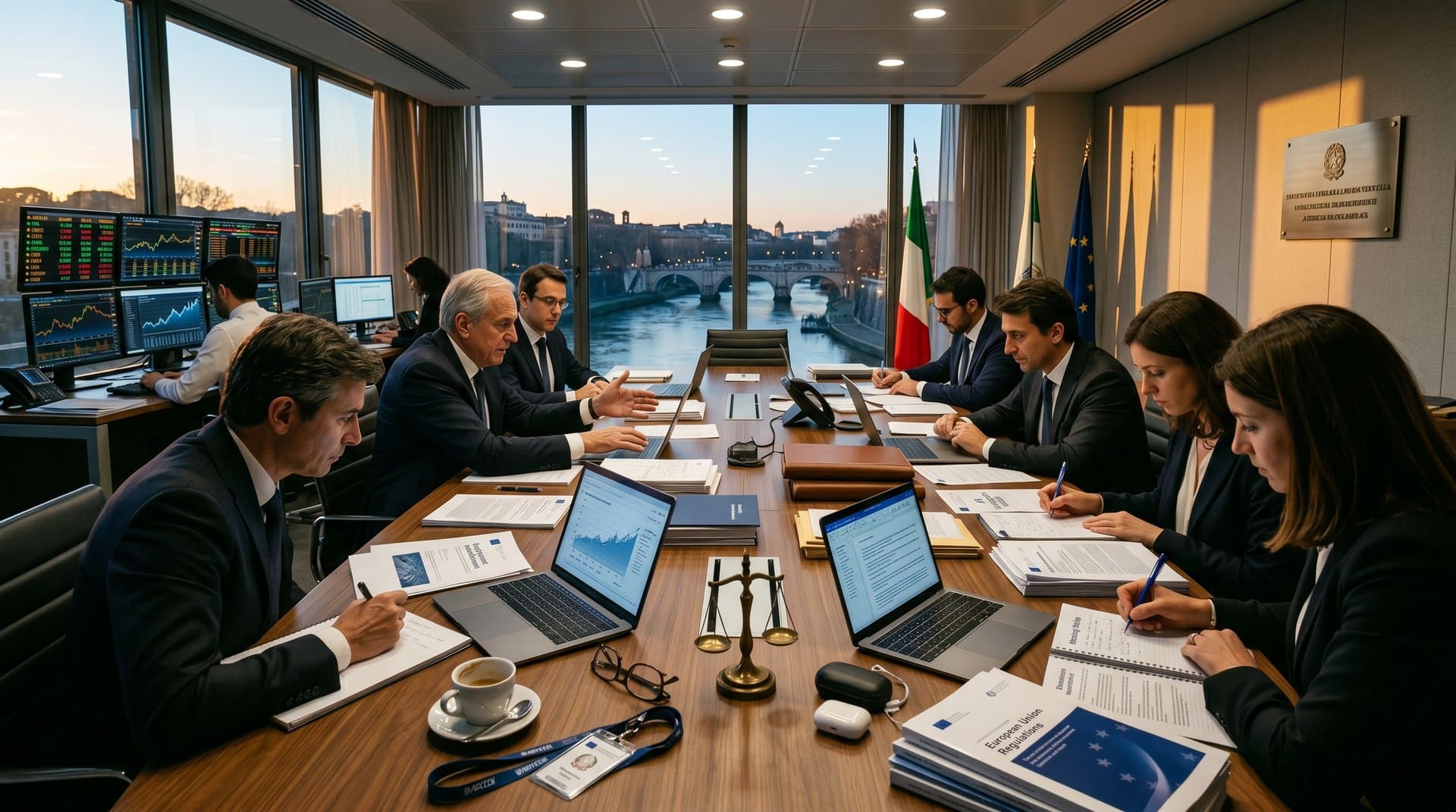
The Markets in Crypto-Assets Regulation (MiCA) mandates anti-money laundering compliance for crypto-asset service providers (CASPs), including ATM operators, since its key provisions took effect in 2024. France's Autorité des Marchés Financiers (AMF) and Italy's national authorities imposed EUR 2.1 million in fines on operators during Q1 2026, ESMA spokesperson Elena Rossi confirmed.
Bitcoin ATMs levy 7-15% fees, far above those on centralized exchanges. Bundesbank economist Lars Weber warned on April 10 that kiosks enable rapid cash-to-crypto conversions, heightening illicit finance risks. German regulators now probe 500 machines.
North-South Divides in EU Kiosk Density
National approaches diverge sharply. De Nederlandsche Bank data shows Dutch kiosks dropped 20% since January. Italy's kiosks increased 15% despite EUR 500,000 fines from the AGCM competition authority.
Germany reports a 0.2% scam rate on kiosks, contrasting Italy's 1.8%, per Chainalysis. The Bundesbank calls for EU-wide fee caps to standardize oversight.
Scam Patterns Bridge Atlantic
Minnesota highlighted elder fraud risks. Police documented a 75-year-old victim losing USD 10,000 at a Minneapolis kiosk last month. Operators frequently vanish post-installation.
Europol's 2026 report tallied EUR 850 million in EEA ATM scams. France's AMF banned three operators in March for misleading advertisements. Elliptic analysts traced EUR 120 million in suspicious kiosk flows through January 2026.
Kiosks rely on QR codes to bypass traditional banking rails, complicating tracking.
MiCA Provisions Targeting Crypto Kiosks
MiCA's Title III requires CASP authorization from national competent authorities (NCAs), supervised by the European Banking Authority (EBA) and ESMA. Article 59 mandates stringent AML controls, including transaction monitoring for ATMs exceeding EUR 1,000.
The European Commission's Directorate-General for Financial Stability, Financial Services and Capital Markets Union (DG FISMA) oversees implementation. Commissioner Mairead McGuinness emphasized consumer protection in a March 2026 speech, noting high kiosk fees undermine retail investor safeguards.
Eurogroup finance ministers debate harmonized restrictions at their April 15 meeting. ING economist Carsten Brzeski stated on April 11: "MiCA arms regulators effectively without choking innovation."
Economic Trade-offs of Crypto Kiosk Bans
Such bans limit retail crypto on-ramps. Minnesota's 150 kiosks served 50,000 users annually, state commerce department estimates. Mobile apps enforce stricter KYC, deterring privacy-focused users.
EU kiosk density varies: Prague boasts one per 20,000 residents, matching Berlin's ratio. Berlin kiosks generated USD 200 million in yearly volume, Bitstamp data shows. Crypto firms claim EUR 5 billion in total EU kiosk revenue.
Spain's Comisión Nacional del Mercado de Valores (CNMV) approved 200 new ATMs in Q1 2026. Greece maintains under 100 amid heightened caution.
ECB Executive Board member Isabel Schnabel cautioned on April 9 against over-regulation stifling fintech growth.
Regulatory Path Forward
The European Commission schedules a MiCA assessment report for May 1. National crypto kiosk bans could proliferate if scam volumes surge. Post-Brexit, the UK Financial Conduct Authority (FCA) confines kiosks to licensed venues.
The Minnesota House votes on April 14. Europe monitors the ECB's April 17 policy decision amid Eurozone inflation at 2.1%, Eurostat reported April 11.
Fear & Greed at 15 underscores volatility as Bitcoin tests USD 73,671 support. Crypto kiosk bans challenge physical access while exchanges gain from ETF inflows, boosting Ethereum 2.9%.
ESMA releases kiosk oversight data on May 15, potentially accelerating EU-wide crypto kiosk ban measures.