- China controls 52% of global AI training compute.
- EU Chips Act invests €43 billion in 15 new fabs.
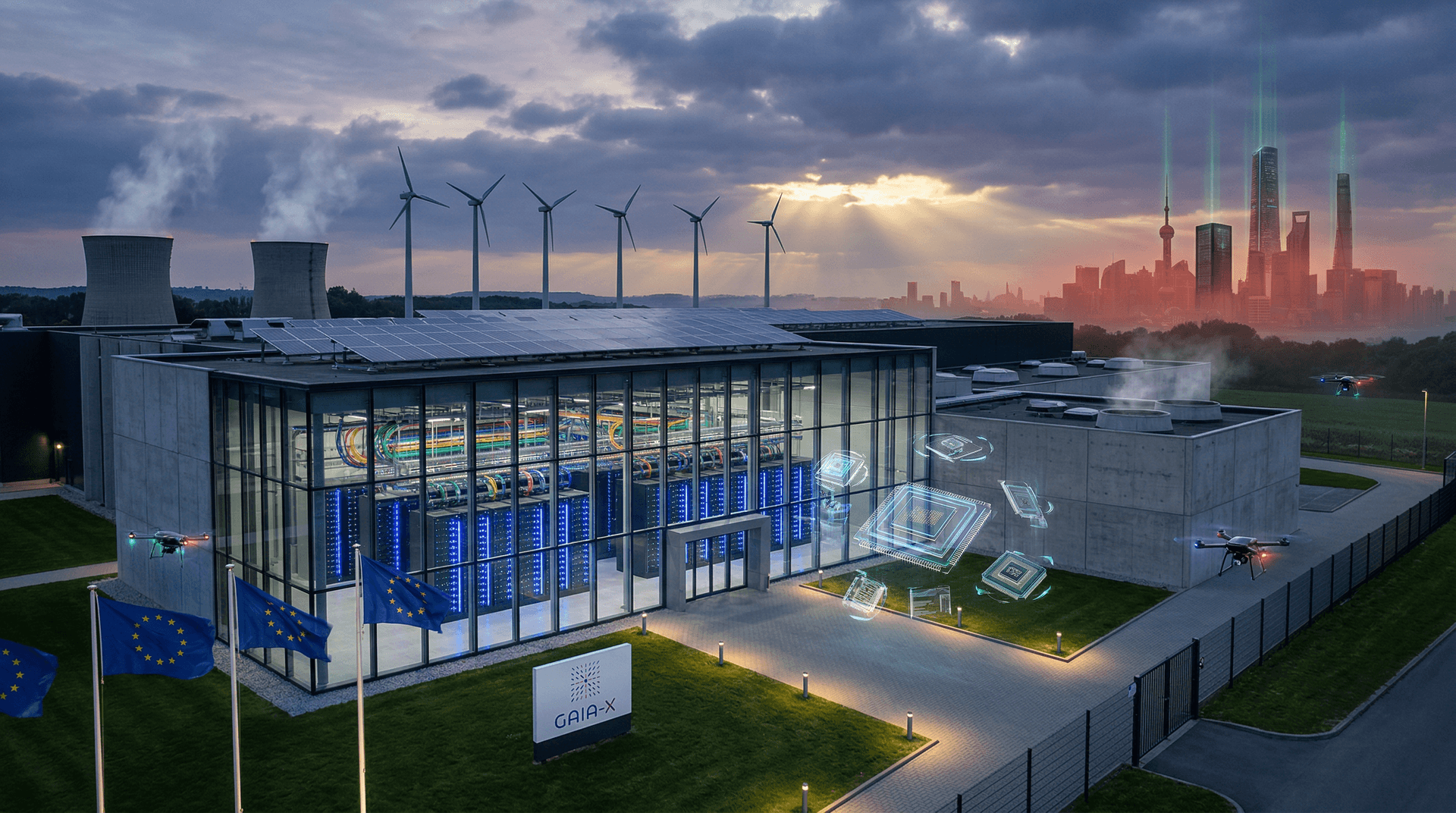
- GAIA-X sovereign cloud reaches €7 billion contracts.
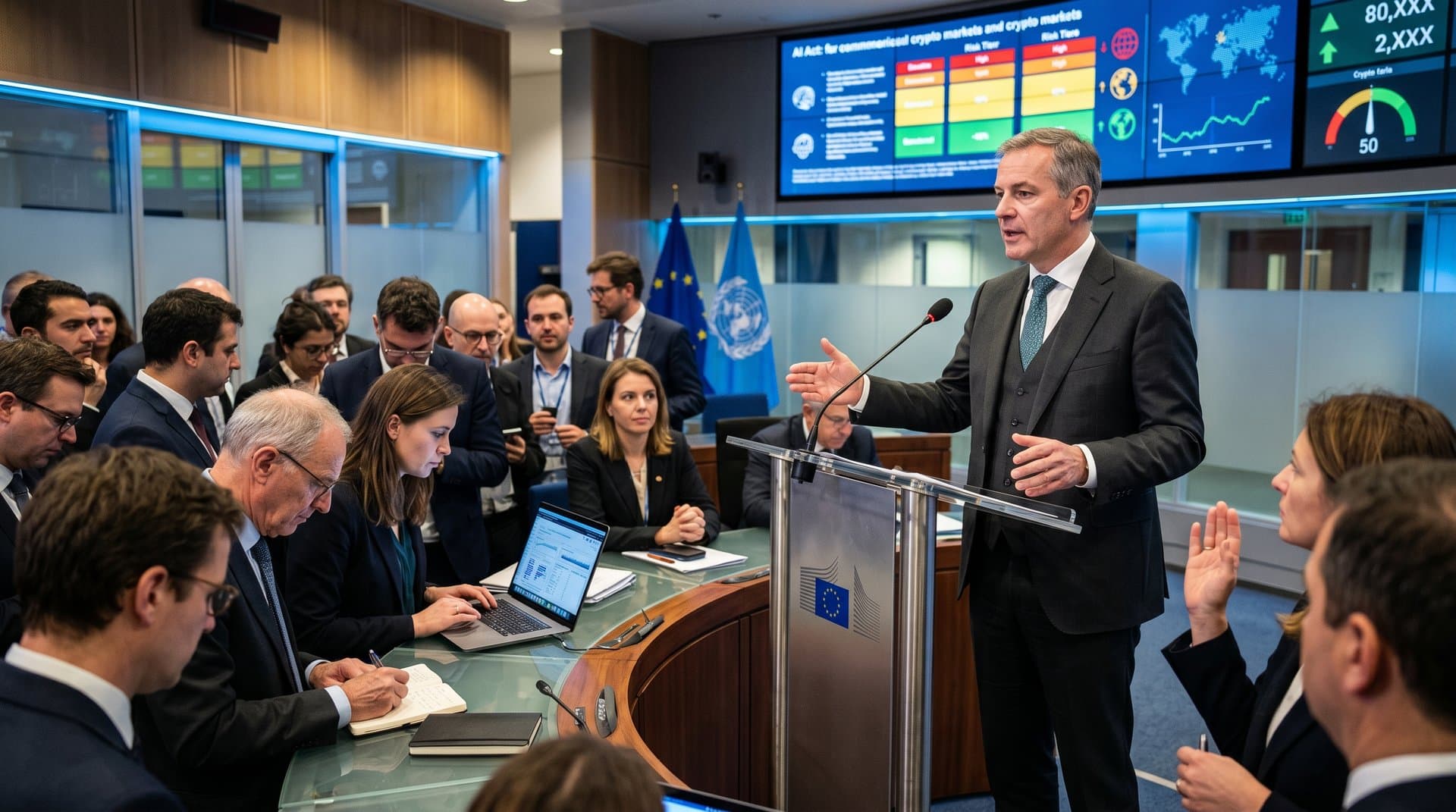
On April 13, 2026, the European Commission advanced its EU AI strategy against China. President Ursula von der Leyen announced a €20 billion accelerator for sovereign infrastructure. Eurozone tech stocks rose 1.2% on the STOXX Europe 600 Technology index.
China commands 37% of global AI patents, according to the Stanford HAI AI Index 2026 report. The EU holds just 10%. Beijing's state-backed firms, including Huawei, deploy large language models rivaling advanced GPT equivalents.
China's Compute Dominance Pressures EU AI Strategy
China controls 52% of global AI training compute capacity in 2026, per SemiAnalysis research. U.S. firms dominate software innovation, but hardware production hinges on Taiwan Semiconductor Manufacturing Company (TSMC) and Dutch ASML lithography tools. The EU imports €15 billion worth of semiconductors annually from Asia, exposing supply chain vulnerabilities.
"China's hardware investments outpace Europe's by €200 billion in new semiconductor fabs," stated Mario Draghi, former ECB President and author of the European Commission's Competitiveness Report, during a Brussels speech. Draghi recommends EU member states allocate 5% of GDP annually to technology—totaling €750 billion—to close the gap.
Eurostat data shows eurozone inflation steady at 2.1% on April 13. The European Central Bank (ECB) maintained key interest rates at 3.25%, as per its monetary policy statement. ING economists forecast AI-driven productivity adds 0.5 percentage points to eurozone GDP growth this year.
€43 Billion Chips Act Accelerates EU AI Strategy
The European Chips Act channels €43 billion in public and private funds toward 15 new semiconductor fabrication plants (fabs) by 2030. Intel pledged €30 billion for a mega-fab in Magdeburg, Germany. TSMC committed €10 billion to Dresden facilities.
These investments target 20% of global advanced logic node production, according to the European Commission's Chips Act progress report. The move reduces reliance on Taiwan amid escalating China-Taiwan tensions. The Economic and Financial Affairs Council (ECOFIN) greenlit €4.5 billion in state aid subsidies on April 13.
"Sovereign supply chains prevent €50 billion in annual trade disruptions from geopolitical shocks," noted Guntram B. Wolff, director of the Bruegel think tank. Germany budgets €12 billion, France €8 billion for national contributions. Smaller states lag: Greece €500 million, Italy €2 billion. The InvestEU program coordinates cross-border procurement to bridge gaps.
EU AI Act Builds Regulatory Defenses
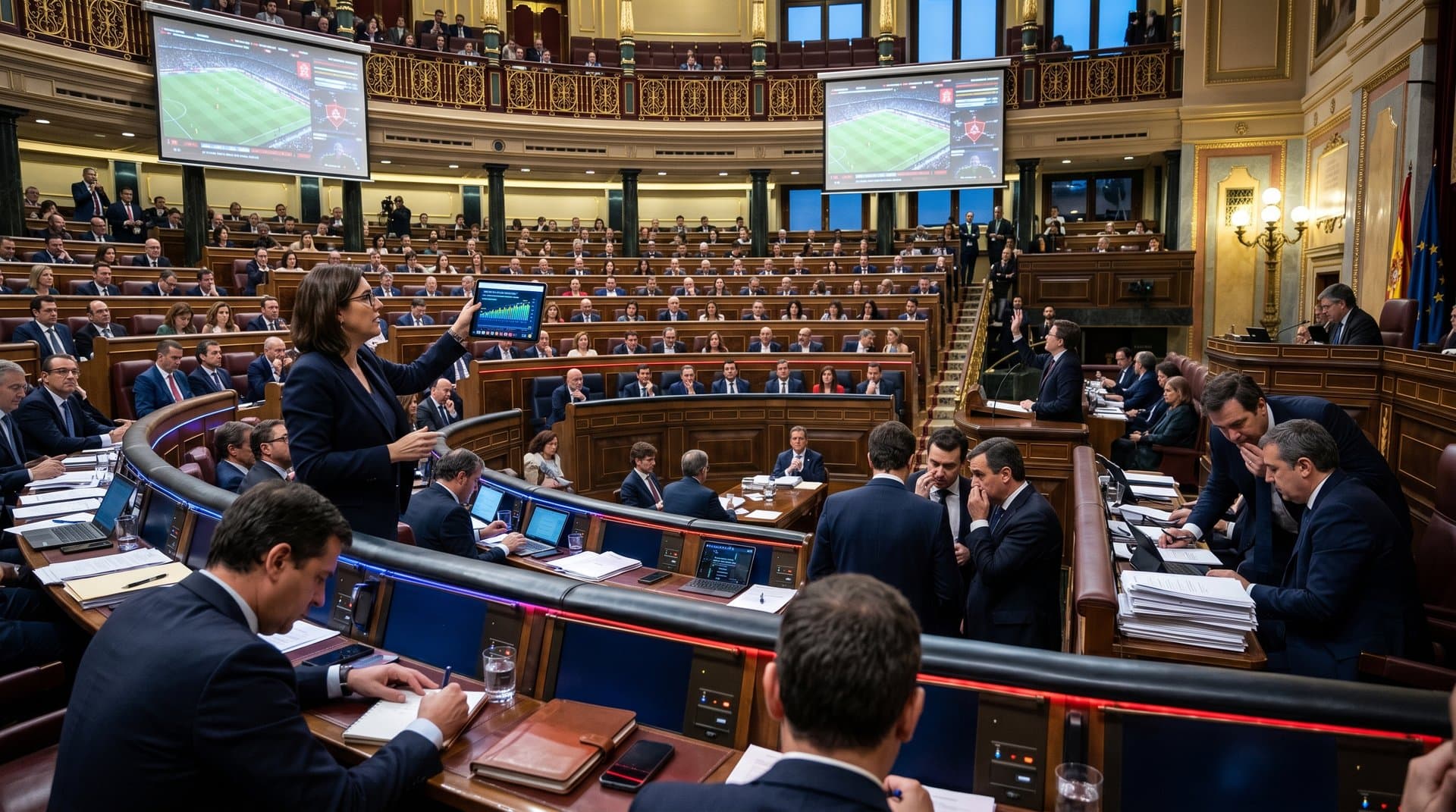
The EU Artificial Intelligence Act, entering full effect August 2025, prohibits high-risk AI applications and imposes fines up to 6% of global annual turnover on violators. The Commission launched probes into 12 Chinese firms over systemic risk models. Non-EU AI model approvals dropped 40% post-enforcement.
"Smart regulation creates protective moats around European AI champions," argued Andrea Renda, senior research fellow at the Centre for European Policy Studies (CEPS). French startup Mistral AI secured €600 million in funding; its valuation now exceeds €5 billion.
The Digital Markets Act (DMA) compels gatekeeper tech giants to share training data. This boosts EU startups' access to compute resources by 25%, enabling faster model training.
GAIA-X Sovereign Cloud Hits €7 Billion Milestone
The GAIA-X cloud federation locked in €7 billion in contracts for data sovereignty. Germany, France, and Italy host 60% of capacity. It processes 10 exabytes of sensitive EU data annually, sidestepping U.S. and Chinese hyperscalers.
Investors poured €2.5 billion into sovereign AI data centers. OVHcloud expanded with 50 MW capacity in Finland. Economic models project a €100 billion GDP uplift by 2035 from enhanced data control.
Private equity firms eye 12% internal rates of return (IRR) on AI infrastructure, per BCG analysis in the Draghi report. The ECB monitors capex surges for inflationary pressures.
€20 Billion Accelerator Ignites EU AI Ecosystem
The new €20 billion AI accelerator launched April 13 under Horizon Europe, assigning €6 billion to foundational AI research. The European Innovation Council (EIC) backs 200 startups with average €50 million grants each.
Denmark captures 15% of Europe's enterprise natural language processing (NLP) market share. Poland invests €1.2 billion in a Warsaw AI hub. Venture capital inflows reached €15 billion, up 30% year-over-year, per Dealroom data for April.
China's export controls on rare earths inflated costs 18%. The EU increased gallium stockpiles by 40% since 2025 to mitigate shortages.
ECB Assesses AI's Broader Policy Implications
AI-fueled productivity gains should curb core inflation to 1.8% by Q3 2026, predicts ING chief economist Carsten Brzeski. ECB rate cuts to 2.75% appear likely at the June 12 policy meeting.
Bitcoin traded at $71,881, up 1.4%; the Fear & Greed Index sat at 12 (extreme fear), via Alternative.me. EU blockchain pilots verify AI data provenance for regulatory compliance.
Germany's DAX technology index climbed 2.1%; France's CAC 40 gained 1.8%. The European Council summit on April 25 will finalize funding for the EU AI strategy against China, unlocking a €10 billion tranche for full-scale deployments beyond pilots.