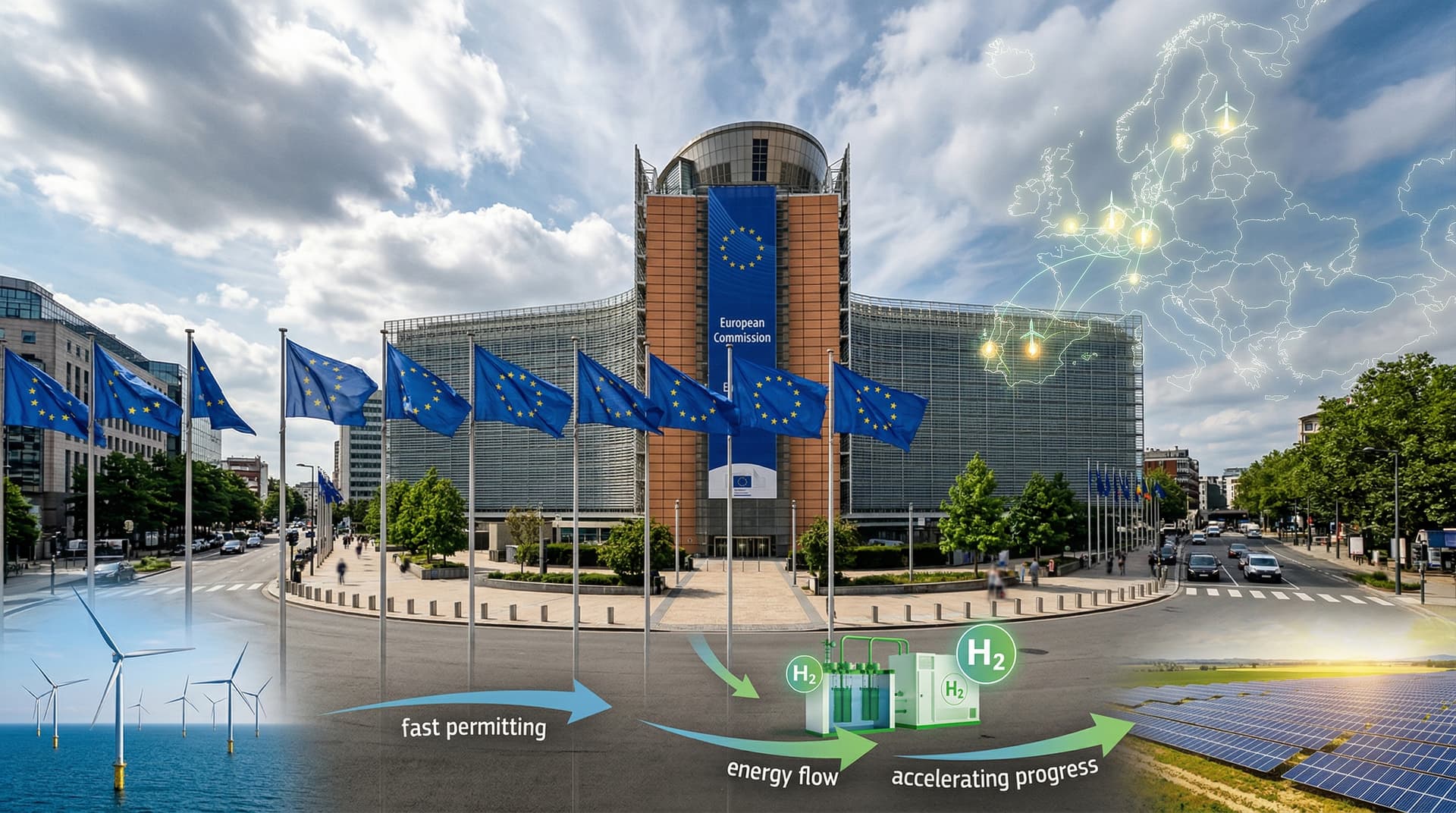
Brussels, March 15, 2023 – In a significant boost to Europe's green ambitions, EU energy ministers on March 10 reached a political agreement to streamline permitting processes for renewable energy projects. This decision, part of the broader REPowerEU initiative, seeks to slash bureaucratic delays and accelerate the rollout of solar, wind, and other clean energy technologies across the continent.
The agreement comes at a critical juncture. Russia's unprovoked invasion of Ukraine, now entering its second year, has severely disrupted Europe's energy supplies. Natural gas prices have soared, winter blackouts loomed large, and households faced unprecedented energy bills. With Russian gas flows reduced by over 80% compared to pre-war levels, the EU has turned urgently to renewables as a pathway to energy independence and security.
Background: The REPowerEU Imperative
Launched in May 2022, REPowerEU is the European Commission's comprehensive response to diversify energy supplies, save energy, and ramp up renewables. The plan targets 45% renewable energy in the EU's final energy consumption by 2030, up from the previous 40% goal under the Fit for 55 package. However, progress has been hampered by lengthy permitting procedures – often taking two to three years for large-scale projects.
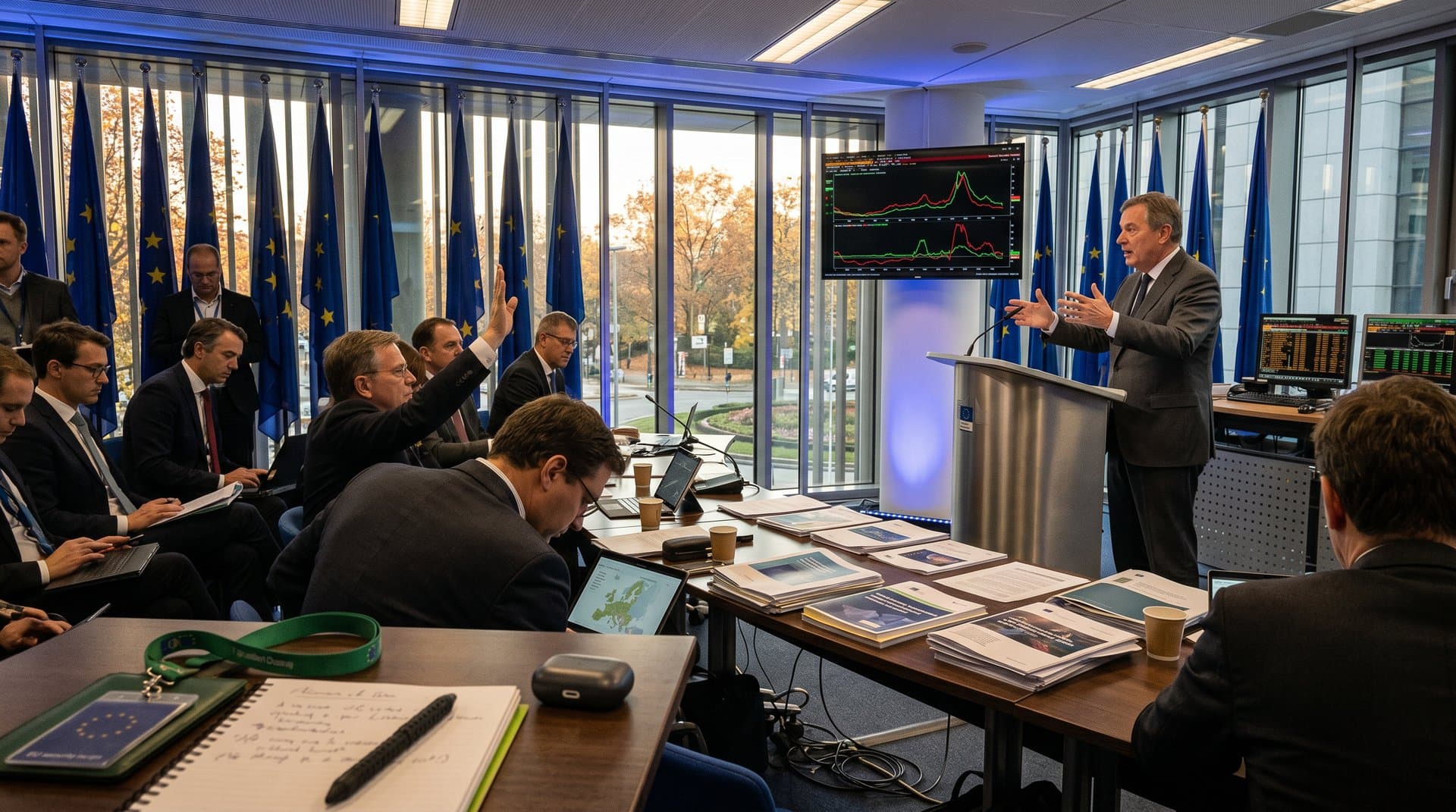
"Permitting is the bottleneck," said EU Energy Commissioner Kadri Simson during the ministers' meeting in Brussels. "We need to move faster to deploy the clean technologies that will power our future."
The ministers' deal builds on a December 2022 Commission proposal. It mandates member states to limit permitting times to less than one year for projects above 75 megawatts (MW), with a fast-track option of six months for those deemed of 'overriding public interest' – typically repowering existing sites or grid reinforcements.
Key Provisions of the Agreement
Under the new rules:
- Standard Permitting Cap: No more than 12 months for grid connections and environmental assessments.
- Fast-Track Lanes: Six months for priority projects, including floating offshore wind, electrolysers for green hydrogen, and small modular reactors (though the latter remains controversial).
- Digitalisation Push: Member states must introduce 'one-stop shops' for permits and use digital tools to expedite approvals.
- Strategic Projects: National plans to identify 'renewables acceleration areas' where permitting is simplified.
The agreement also covers heat pumps, energy storage, and biogas upgrades, recognising their role in electrifying heating and stabilising grids.
"This is a game-changer," noted German Economy Minister Robert Habeck, whose country leads in renewables deployment. Germany installed over 13 gigawatts (GW) of solar in 2022 alone, but permitting delays threatened 2023 targets.
Spain's Energy Minister Teresa Ribera hailed the deal as "essential for our energy sovereignty." Spain, with its abundant solar resources, aims to triple capacity by 2030.
European Context and Challenges
Europe's renewable sector has boomed despite the crisis. In 2022, the EU added 42 GW of solar and 15 GW of wind, per SolarPower Europe and WindEurope data. Yet, to hit REPowerEU goals, annual additions must double.
Permitting woes are acute in densely populated nations like Germany and the Netherlands, where local opposition (NIMBYism) and environmental impact assessments slow progress. The new rules override some veto powers, prioritising EU-wide climate goals.
Environmental groups largely welcome the move. Greenpeace EU's energy campaigner Sebastian Mang cautiously endorsed it: "Faster renewables mean less fossil fuels sooner. But we must ensure biodiversity protections aren't weakened."
Critics, including some farming unions, worry about land use conflicts. Vast solar farms and offshore wind cables require careful planning to avoid ecological harm.
Technological Frontiers
As a tech journalist, the innovations underpinning this shift are exciting. Floating offshore wind farms, like those planned in Portugal's Atlantic waters, promise untapped potential in deeper seas. Green hydrogen electrolysers, backed by billions from the EU's Innovation Fund, will turn excess renewable power into clean fuel for industry.
Battery storage is another enabler. Projects like Northvolt's gigafactory in Sweden will store intermittent solar and wind output, smoothing supply for Europe's grids.
The permitting reform aligns with the Net-Zero Industry Act, proposed last month, which aims to onshore clean tech manufacturing and rival US and Chinese dominance.
Implications for Energy Security and Climate Goals
By 2030, this could unlock 620 GW of renewables, per Commission estimates – enough to cover current gas demand three times over. It bolsters the EU's Paris Agreement commitments, targeting net-zero by 2050.
For consumers, faster renewables mean lower long-term bills. Wholesale electricity prices, spiked by gas shortages, are already easing as French nuclear restarts and Norwegian hydro flow.
Geopolitically, it reduces Moscow's leverage. EU imports of Russian pipeline gas have plummeted, replaced by LNG from the US, Qatar, and Norway.
Looking Ahead
The deal now heads to the European Parliament and Council for formal adoption, expected by summer. Member states must transpose rules into national law within two years.
Spain, holding the EU presidency from July, vows to push implementation. "Renewables are our best weapon against energy poverty and climate change," Ribera affirmed.
As Europe navigates this turbulent transition, the ministers' accord signals resolve. From wind-swept North Sea turbines to sun-drenched Iberian panels, the continent's clean energy revolution is accelerating – one permit at a time.
Europe World News will continue monitoring REPowerEU's rollout and its impact on tech innovation and environmental protection.
(Word count: 912)