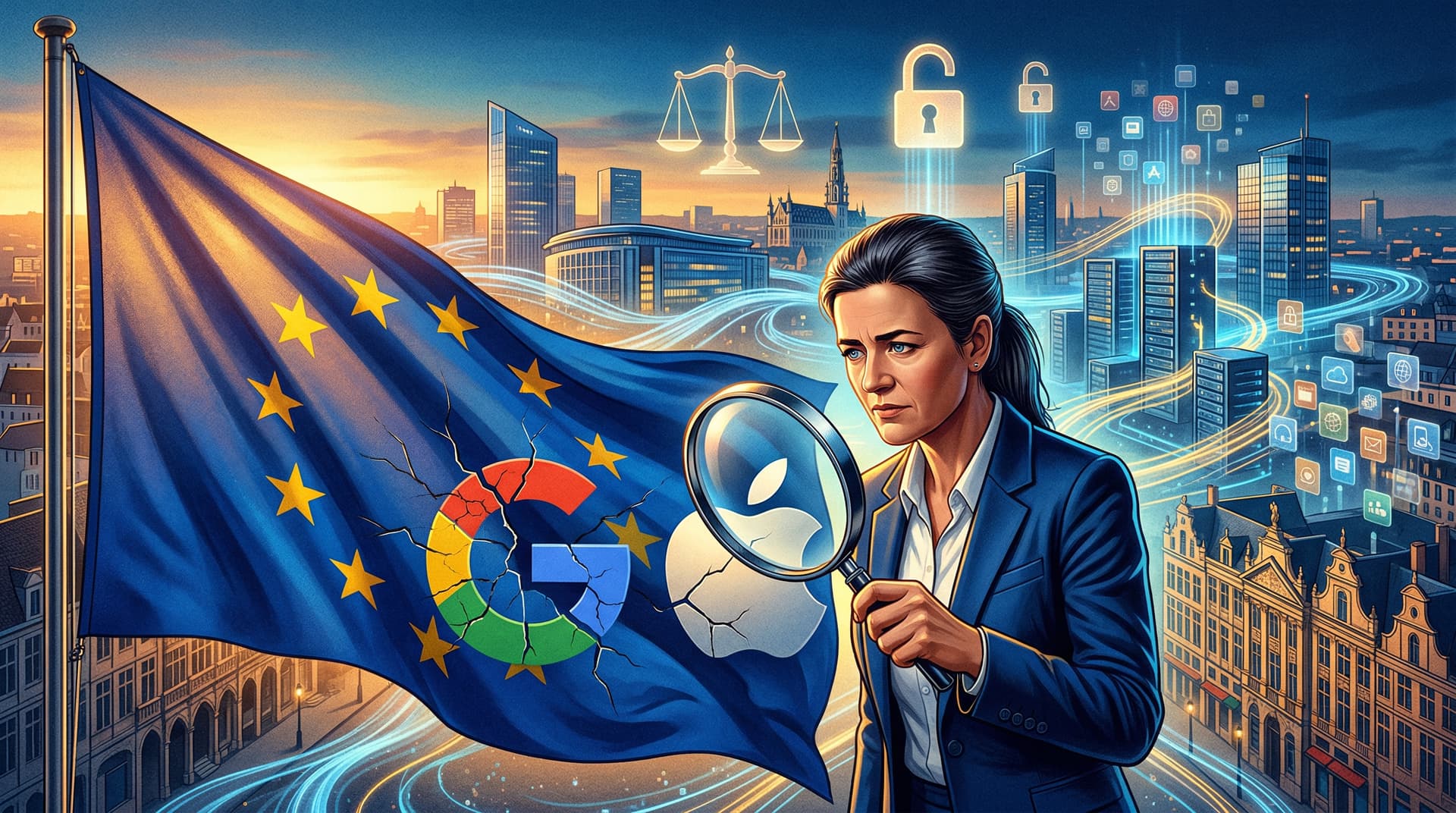
Brussels, December 22, 2023 – In a significant escalation of its efforts to rein in Big Tech, the European Commission announced on December 6 the opening of formal non-compliance investigations against Alphabet's Google and Apple under the freshly minted Digital Markets Act (DMA). This pioneering regulation, which entered into force in November 2022, designates a select group of tech giants as 'gatekeepers' and imposes strict obligations to prevent anti-competitive practices.
The probes target specific services: for Alphabet, Google Shopping for alleged self-preferencing and Google Play for anti-steering rules that limit developers' ability to promote alternative offers. For Apple, the scrutiny falls on its App Store practices, particularly anti-steering provisions that hinder developers from directing users to cheaper options outside the ecosystem, and the Safari browser's choice screen, which the Commission believes does not adequately promote competition.
Background on the Digital Markets Act
The DMA represents a paradigm shift in EU competition policy. Unlike traditional antitrust cases, which can drag on for years, the DMA proactively imposes ex-ante rules on gatekeepers—companies with systemic market power. Six firms were designated in September: Alphabet, Amazon, Apple, ByteDance (TikTok), Meta, and Microsoft.
Gatekeepers must comply by March 7, 2024, with obligations including allowing third-party app stores, interoperable messaging, and fair ranking in search results. Non-compliance risks fines up to 10% of global annual turnover, or 20% for repeat offenses, potentially billions for these trillion-dollar companies.
Margrethe Vestager, the Commission's Executive Vice President for A Europe Fit for the Digital Age, stated: "The gatekeepers have a systemic role in our digital economy. We must ensure they are opened up so that businesses and consumers can fully benefit from fairer digital markets. The Commission will use the DMA's tools to promote contestability and fairness for all businesses relying on these platforms and for all consumers using their services."
Details of the Investigations
Alphabet (Google)
- Google Shopping: The Commission suspects Google favors its own shopping service in search results, despite previous €2.4 billion fine in 2017 under competition law. The DMA prohibits such self-preferencing explicitly.
- Google Play: Developers allege restrictions prevent them from informing users about alternative subscription deals, locking revenue within Google's ecosystem.
Apple
- App Store Anti-Steering: Apple's rules bar developers from linking to external payment options, a practice challenged in Epic Games' lawsuits. The DMA demands Apple allow such steering.
- Safari Choice Screen: iPhone users see a browser selection prompt, but the Commission questions if it's prominent enough to drive users to rivals like Firefox or Chrome.
These investigations can last up to 12 months but may conclude faster. Interim measures could be imposed if urgency demands.
Broader Implications for Big Tech in Europe
This is just the beginning. Amazon faces a separate probe announced December 19 over self-preferencing in its marketplace. Meta is under watch for its 'pay or consent' model for personalized ads, with compliance due soon.
The EU's approach contrasts with the U.S., where ex-post enforcement dominates. Vestager emphasized: "The DMA is about making sure Europeans have more choice, more innovation, and more opportunities in the digital single market."
For consumers, this could mean lower app prices, more browser options, and less data lock-in. Businesses, especially SMEs, stand to gain from reduced gatekeeper leverage.
Critics, including tech lobbying groups, argue the rules stifle innovation. Apple's CEO Tim Cook has warned of security risks from sideloading apps. Google echoes concerns over user privacy.
Yet, EU officials point to gatekeepers' market shares—Google at 90%+ in search, Apple at 25%+ in mobile OS—as justification.
Historical Context and EU Tech Sovereignty
The DMA stems from years of fines: Google's €8 billion+ in antitrust penalties, Apple's ongoing Spotify disputes. Post-Brexit, the EU asserts digital leadership, with France's Macron pushing 'technological sovereignty.'
Relatedly, the AI Act—provisionally agreed March 2023—nears finalization, complementing DMA in regulating frontier tech.
What's Next?
Gatekeepers must respond within weeks. The Commission could demand remedies, like code changes. Fines loom if violations persist.
As 2024 approaches, expect more probes. Meta's 'Facebook & Instagram' consent model is next. Microsoft, spared initially, eyes scrutiny over Teams bundling.
For Europe World News readers, this underscores the continent's pivotal role in global tech governance. The DMA could set precedents worldwide, from India to Australia adopting similar 'killer acquisition' curbs.
In an era of U.S.-China tech rivalry, the EU carves a third way: regulated competition fostering innovation without monopolies.
Stay tuned for updates as these investigations unfold.
By [Your Name], Senior Tech Journalist