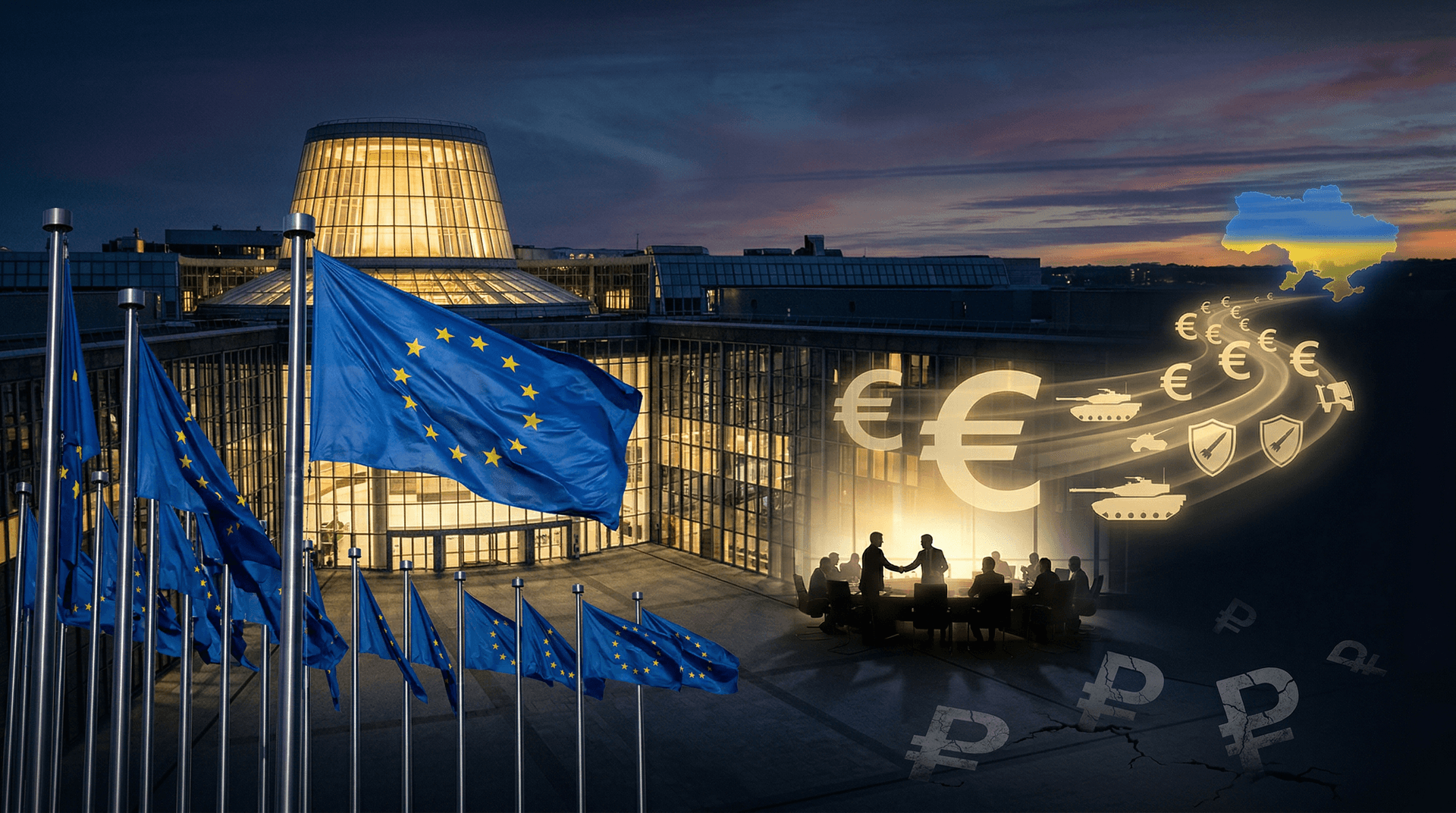
Brussels, December 29, 2024 – In a pivotal move during the European Council summit on December 19-20, EU heads of state and government endorsed a plan to redirect windfall profits from approximately €210 billion in frozen Russian central bank assets toward military assistance for Ukraine. This decision, hailed as a 'game-changer' by European Commission President Ursula von der Leyen, could provide Kyiv with up to €3 billion annually, intensifying the bloc's economic warfare against Russia's invasion.
Background on the Frozen Assets
The assets in question – sovereign holdings of the Russian central bank – were immobilized across G7 jurisdictions shortly after Moscow's full-scale invasion of Ukraine in February 2022. In the EU alone, these amount to around €180 billion, primarily held by Euroclear in Belgium. Extraordinary revenues from these assets, generated through interest and reinvestments, have accrued to about €4.4 billion so far this year.
Previous discussions focused on outright confiscation, but legal hurdles under international law prompted a compromise: using only the profits, not the principal. This approach was legally vetted and avoids direct asset seizure, which Russia has challenged at the International Court of Justice.
"This is not confiscation; it's a lawful use of windfall profits to support Ukraine's self-defense," von der Leyen stated post-summit. The funds will be channeled through the European Peace Facility (EPF), the EU's off-budget mechanism for military aid, bypassing national vetoes that have stalled direct arms deliveries.
Summit Dynamics and Key Agreements
The December summit, chaired by European Council President António Costa, navigated tense negotiations. Hungary, under Prime Minister Viktor Orbán, initially resisted but ultimately abstained from blocking the consensus-based decision. Poland and the Baltic states pushed aggressively for the measure, citing Russia's intensified attacks on Ukrainian infrastructure.
Beyond the assets, leaders reaffirmed €50 billion in long-term loans from the Ukraine Facility, with disbursements tied to reforms. They also greenlit opening accession talks with Ukraine, Moldova, and Montenegro in early 2025, signaling long-term EU integration.
"Unity prevailed," said French President Emmanuel Macron. "We're turning Russia's war machine against itself." German Chancellor Olaf Scholz emphasized the decision's role in deterring escalation, especially amid U.S. President-elect Donald Trump's incoming administration, which has signaled reduced American support.
Economic and Legal Implications
Financially, the scheme is projected to yield €2.5-3 billion yearly, split 60-40 between the EU and national contributions for risk-sharing. Euroclear's role remains central, with safeguards ensuring principal preservation. Critics, including Russia, decry it as 'theft,' but EU legal experts argue it aligns with countermeasures under UN Charter Article 51.
For Ukraine, the influx is critical. Facing ammunition shortages and Russian advances in Donbas, President Volodymyr Zelenskyy welcomed the news: "This saves lives and strengthens our fight for freedom."
The decision also sets a precedent for hybrid warfare financing. Analysts speculate it could inspire similar uses against other aggressors, like in the South China Sea disputes.
Broader EU Strategic Shifts
This builds on 14 prior sanctions packages, the latest adopted December 17 by foreign ministers, targeting Russian shadow fleets and diamond trade. Yet challenges persist: EU defense spending lags NATO's 2% GDP target, with only 23 of 27 members on track for 2025.
Incoming EU leadership – with Kaja Kallas as High Representative and Teresa Ribera as Commission Executive VP for Climate – promises a 'readiness union.' The assets decision underscores a pivot from energy dependence to strategic autonomy.
Reactions and Future Outlook
Ukraine's allies praised the move. U.S. Secretary of State Antony Blinken called it "innovative solidarity." Domestically, greens and socialists lauded it, while far-right MEPs decried escalation risks.
As 2024 ends, the EU faces 2025 tests: U.S. policy shifts, energy prices, and enlargement debates. This financial weaponization cements Europe's role as a geopolitical heavyweight, proving economic tools can rival military might.
The proof will be in implementation. First disbursements are slated for Q1 2025, monitored by a new G7 task force. For now, it's a beacon of resolve in Europe's most defining conflict since 1945.
Europe World News will continue monitoring developments.