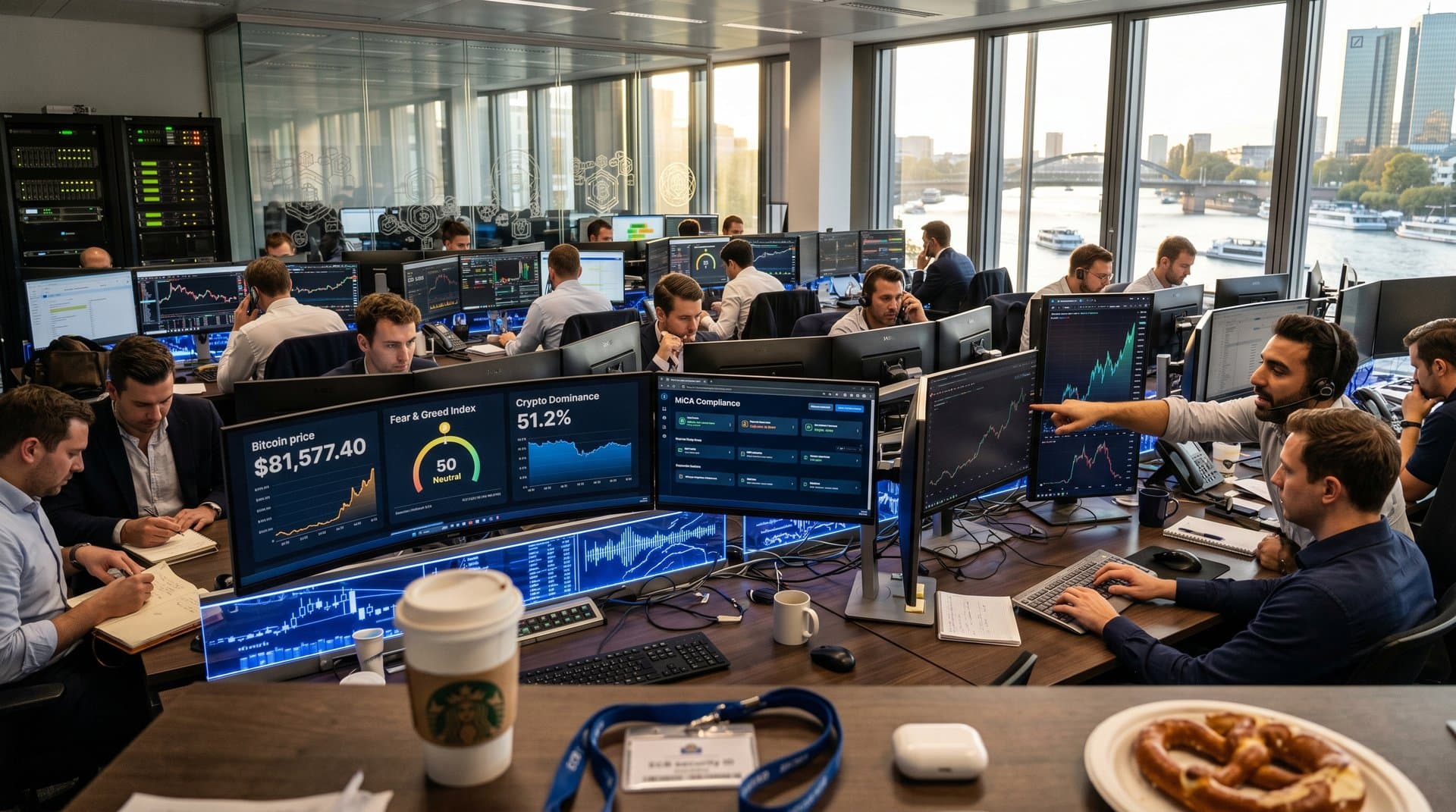
- 1. Crypto Fear & Greed Index drops to 23 on Iran toll news.
- 2. Bitcoin holds $74,380 amid 0.1% decline from tensions.
- 3. EU oil imports face EUR 5-10 per barrel cost increases.
By Craig Osborne, EU Correspondent
Brussels, April 15, 2026
Iran activates crypto toll in the Strait of Hormuz today. Oil tankers pay fees in digital assets for safe passage. The European Commission views this as a threat to EU energy imports from the Gulf.
EU member states source 20% of oil through the strait, per the European Commission's Joint Research Centre.
Blockchain powers the toll system. Ships verify payments on decentralized ledgers, bypassing sanctioned banks.
Crypto Markets Enter Extreme Fear
The Crypto Fear & Greed Index drops to 23, per Alternative.me.
Bitcoin trades at $74,380 USD, down 0.1%, via CoinGecko. Ethereum falls 1.5% to $2,331 USD.
Traders use AI algorithms to gauge geopolitical risks from the Iran crypto toll.
Europe's energy firms hedge via crypto derivatives. Oil futures reflect added uncertainty.
Strait Handles One-Fifth of Global Oil
The strait carries one-fifth of global oil trade, per the U.S. Energy Information Administration.
EU refineries depend on Gulf flows. Past disruptions pushed Brent crude above $100 per barrel.
Tankers now carry crypto wallets. Captains confirm blockchain payments onboard.
Ports in Germany and France report concerns. Rotterdam processes Gulf crude. Toll costs raise consumer fuel prices.
Iran Uses Blockchain to Bypass Sanctions
Iran collects tolls in BTC or USDT at $1.00 USD parity, outside SWIFT.
Machine learning spots transaction fraud in real time.
Tehran mines crypto with state energy. AI boosts mining efficiency by 15%.
The European Central Bank monitors crypto flows in energy markets, per its latest bulletin.
EU Commission Prepares Energy Contingencies
The European Commission drafts contingency plans, per its April 15 press release.
LNG from Norway and the U.S. offers buffers, but Gulf oil stays vital.
Italy and Spain rely on Hormuz routes. Tolls add EUR 5-10 per barrel to costs.
AI platforms forecast squeezes via satellite data. Brussels simulates policies.
Toll Tech Transforms Shipping
Blockchain ensures immutable payments. Smart contracts release ships post-verification.
AI drones patrol the strait. Computer vision flags non-payers.
Maersk tests crypto wallets. AI planners balance tolls against detours.
Detours add weeks and millions in EUR fuel costs. Crypto volatility worsens impacts.
Brussels Considers Responses to Iran Crypto Toll
The European Parliament debates crypto rules. MEP Axel Voss pushes AI finance oversight.
EU Council energy ministers address Hormuz risks. REPowerEU speeds diversification.
ECB assesses oil-to-CPI risks. Crypto complicates policy.
The Commission's response targets escalation limits and cost containment on the Iran crypto toll.