- 1. Iran demands BTC tolls for Hormuz transit, disrupting 21% of global oil.
- 2. Fear & Greed Index falls to 23 as BTC holds $74,263 amid volatility.
- 3. EU Commission prepares sanctions; refineries face delays and price spikes.
Europe World News By Zara Fairchild April 15, 2026
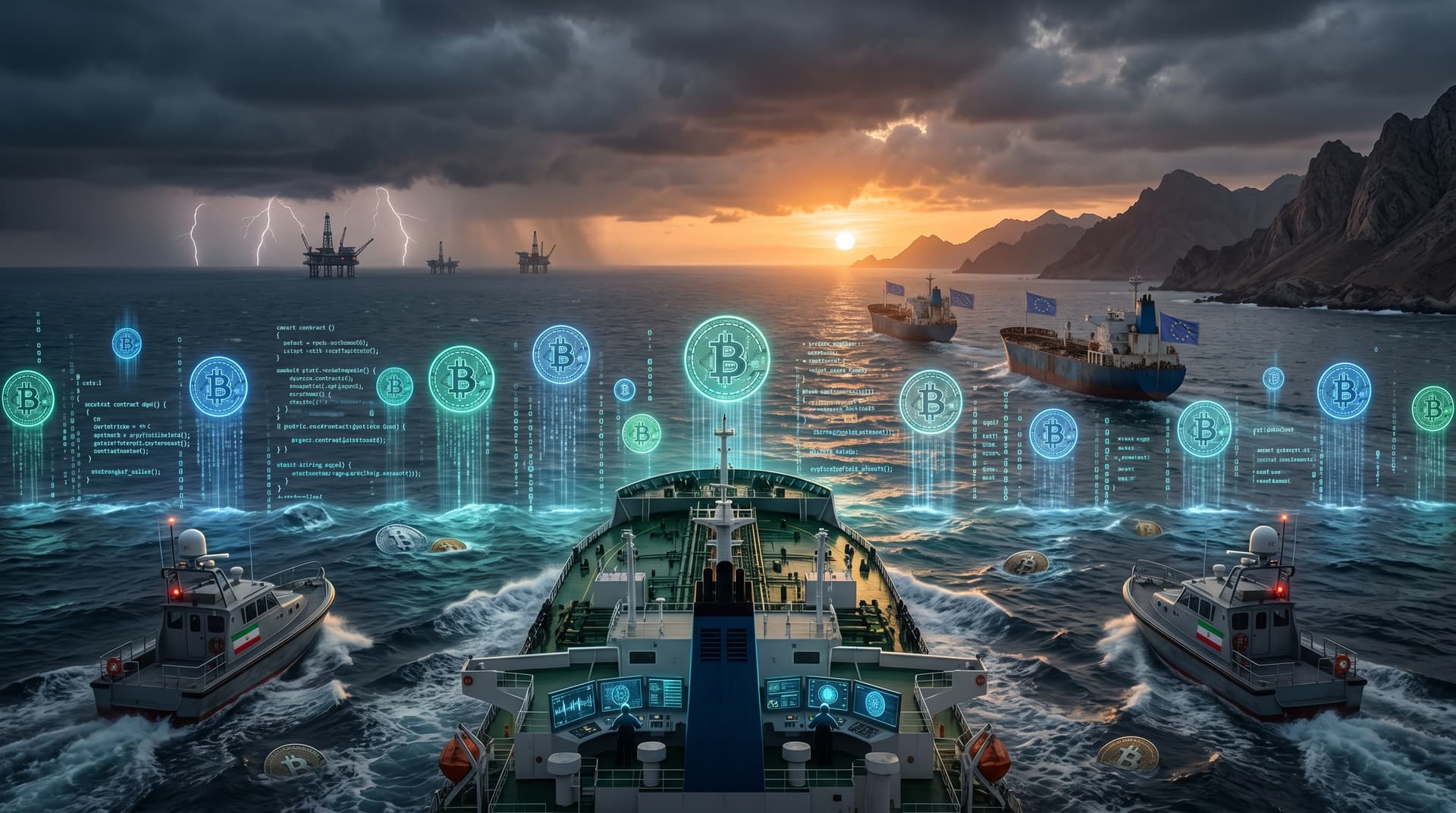
Iran crypto tolls Hormuz activated April 15, 2026. Oil tankers must pay tolls in Bitcoin (BTC) or stablecoins for Strait passage. This disrupts 21% of global oil trade, per U.S. Energy Information Administration (EIA), threatening Europe's energy security as BTC hits $74,263.
Crypto Markets Signal Extreme Fear at Index 23
The Crypto Fear & Greed Index plunged to 23, indicating extreme fear, according to Alternative.me data released today. Bitcoin dipped 0.1% to $74,263 on CoinMarketCap. Ethereum tumbled 1.4% to $2,331. BNB edged up 0.2% to $615.49.
Tanker operators rushed to set up crypto wallets. USDT maintained parity at $1.00 per Binance feeds. This provides a volatile refuge for payments. XRP slipped 0.4% to $1.36.
This volatility amplifies risks for Europe oil imports. Shippers convert fiat currencies amid swings.
Iran Crypto Tolls Hormuz Imperil EU Oil Flows
The Strait of Hormuz channels 21 million barrels per day of oil, Reuters reports from October 2023 data updated for 2026 flows. Europe relies on Gulf imports for 25% of its refined products, per European Commission Directorate-General for Energy (DG Energy) statistics.
Iran enforces tolls through smart contracts on the Ethereum blockchain. Payments unlock transit permissions automatically. AI-powered oracles from Iranian state-linked firms scan vessel Automatic Identification System (AIS) data for compliance.
The European Commission's Joint Research Centre models predict delays of up to 72 hours for non-compliant tankers. EU refineries in Rotterdam and Antwerp face immediate cost hikes from these measures.
AI and Blockchain Power Iran's Enforcement
Iran deploys machine learning algorithms to predict evasion routes. Tehran University researchers analyzed the datasets. Blockchain ledgers ensure immutable toll records, bypassing traditional SWIFT sanctions.
Iran accumulated 12,000 BTC through state mining since 2021, Chainalysis reports in its 2026 Crypto Crime Update. DeFi protocols fund patrols, evading U.S. Treasury restrictions.
Europe's Digital Markets Act (DMA), Article 6a, scrutinizes such gatekeeper platforms. The European Commission investigates potential DMA violations by Iranian crypto gateways.
Energy Prices Face Sharp Spikes from Disruptions
Past Hormuz tensions in 2019 spiked Brent crude by 10% overnight, per European Central Bank (ECB) historical analysis. ECB President Christine Lagarde warned today of eurozone inflation risks above 3% if disruptions persist.
Shippers detour via Africa's Cape of Good Hope. This adds 14 days and $1 million per voyage in fuel costs, per Clarkson Research Services data. AI logistics tools from Maersk optimize routes but cannot bypass tolls.
The EU Green Deal's 55% emissions cut by 2030 falters under these shocks. DG Energy admits this in a Brussels briefing.
EU Institutions Launch Coordinated Response
European Commission President Ursula von der Leyen convened DG Trade and DG Energy for emergency talks on April 15. They prepare sanctions targeting Iran's crypto exchanges under the EU Blockchain Sanctions Regime.
The European Parliament's Committee on Industry, Research and Energy (ITRE) schedules a debate on AI export controls to non-EU states. France's Energy Minister Agnès Pannier-Runacher pushes LNG deals with Qatar.
Germany's Federal Network Agency accelerates North Sea gas imports. Gulf oil remains 40% of EU supply, per Eurostat 2026 Q1 figures.
Cointelegraph detailed Iran's crypto pivot in a 2024 report, foreshadowing this escalation.
Crypto Volatility Heightens Trade Risks
Bitcoin tests $74,000 support, with $73,500 as next level. TradingView analysts note this. Fear & Greed at 23 embeds prolonged Hormuz uncertainty into prices.
EU fintechs like Adyen develop DMA-compliant blockchain payment rails. AI simulations from Siemens forecast 15% energy price surges for German industry.
Europe Adapts to Iran Crypto Tolls Hormuz Era
Iran crypto tolls Hormuz normalize digital payments at chokepoints. EU policymakers eye blockchain standards via the Markets in Crypto-Assets (MiCA) Regulation, fully effective January 2026.
Diversification accelerates. U.S. LNG terminals ramp exports to Wilhelmshaven. Tech executives prepare AI-driven supply chain resilience. Watch ECB rate decisions on May 8 for inflation spillovers.