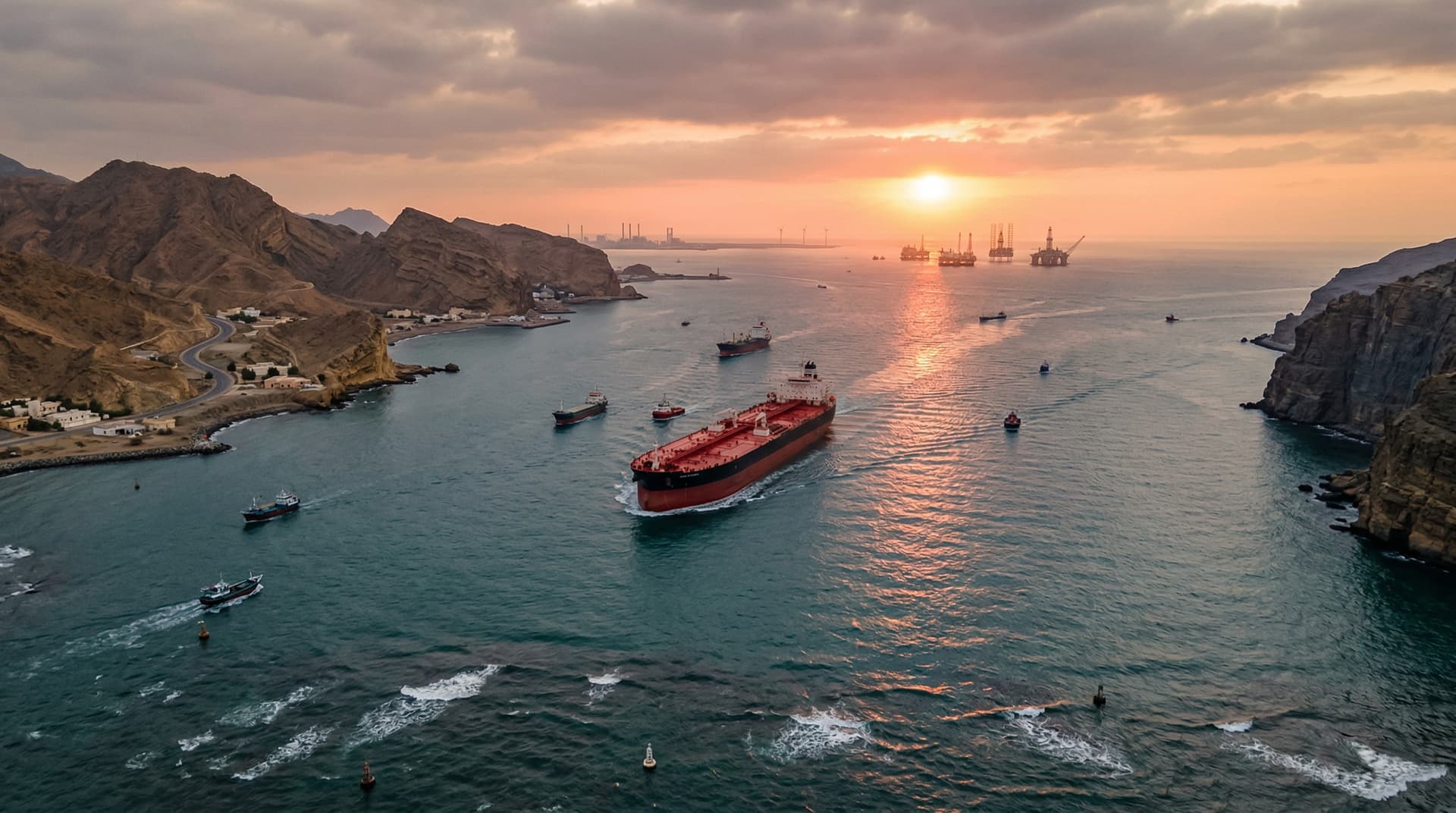
Iran's Crypto Tolls mandate cryptocurrency-only payments for ships transiting the Strait of Hormuz starting April 10, 2026. Bitcoin surged 1.1% to $71,809. Solana jumped 4.2% to $185.20, per CoinMarketCap data at 14:00 UTC on April 10, 2026.
Europe's energy markets track the policy closely. This move threatens critical oil flows to refineries across the continent. AI trading algorithms amplified the crypto rally by detecting signals early.
Echoes of the 1980s Tanker War
Iran mined Gulf waters during the 1980s Tanker War. Ships dodged explosives daily. Oil prices spiked 30% within weeks, according to OPEC records.
Iran's Crypto Tolls now demand Bitcoin or Solana payments via blockchain. Shippers must hold crypto reserves equivalent to 0.5% of cargo value. The policy aims to bypass traditional sanctions on fiat transfers.
European refineries source 20% of their crude imports via Hormuz, Eurostat 2025 data confirms. Germany imports 1.2 million barrels daily through the strait. Italy imports nearly 900,000 barrels per day, making both nations highly exposed.
Crypto Markets React Swiftly
Bitcoin reached $71,809, a 1.1% gain on CoinMarketCap at 14:00 UTC April 10, 2026. Solana outperformed altcoins, climbing 4.2% to $185.20 amid heightened trading.
Ethereum edged up 0.1% to $2,186.19. Alternative.me's Fear & Greed Index dropped to 16, indicating extreme fear. Yet, adoption signals from Iran's policy fueled selective gains.
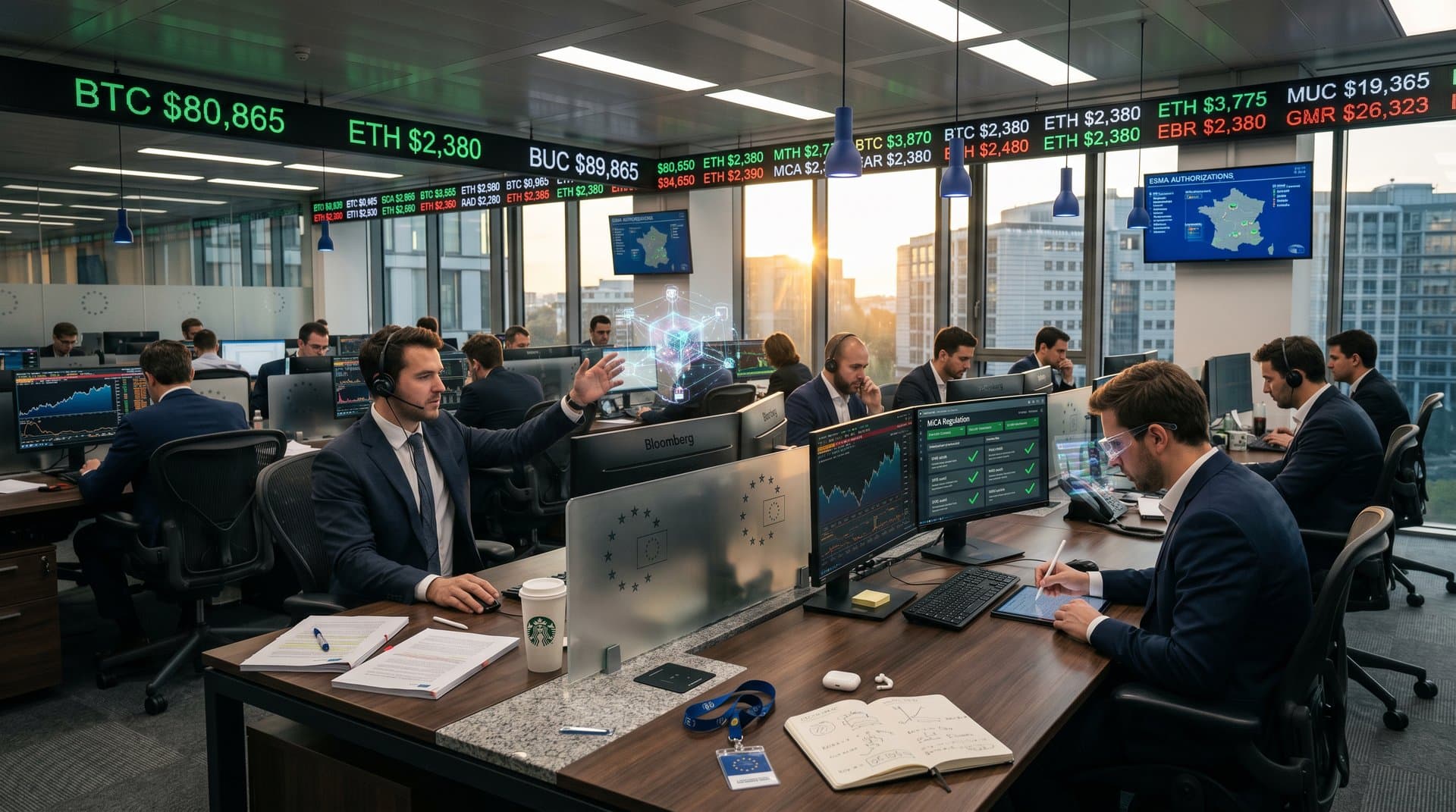
London-based AI hedge funds bought aggressively into BTC and SOL. Natural language processing models scanned Iranian state media outlets first. Kraken and Binance saw trading volumes spike 25% during European hours, exchange data shows.
AI Algorithms Fuel the Surge
AI now drives over 70% of crypto trading volume globally. Frankfurt-based quantitative funds deploy machine learning models for real-time geopolitical sentiment analysis from news wires, social feeds, and satellite imagery.
These AI systems flagged Iran's toll announcement from Farsi-language sources hours before Western media. The European Securities and Markets Authority (ESMA) oversees such high-frequency trading under MiFID II Directive to safeguard market integrity and prevent manipulation.
Solana's high-throughput blockchain enables instant toll verification for thousands of transactions. AI-powered smart contracts automate payments, reducing fraud risks and settlement times to seconds.
Europe's AI-driven traders account for 15% of global Bitcoin volume, Chainalysis reports on April 10, 2026. Their coordinated buys propelled BTC past the $71,000 mark, underscoring the tech-finance nexus.
Europe's Energy Markets Prepare
Brent crude futures climbed 2.3% to $82.50 per barrel on ICE Futures Europe at 16:00 UTC April 10, 2026. The Strait of Hormuz handles 21 million barrels daily, U.S. Energy Information Administration (EIA) states.
Germany relies on 1.2 million barrels daily via the strait for its refineries. Bruegel think tank estimates fuel prices could rise EUR 0.15 per liter if tolls disrupt flows.
Euronext-listed energy ETFs rose 1.8% in response. The European Central Bank (ECB) closely monitors these developments for inflation impacts. Bundesbank AI models project a 0.5% uptick in CPI if tolls persist beyond Q2 2026.
Blockchain Tolls Transform Trade
Iran promotes crypto tolls as sanctions-resistant. Ships pay 0.5% of cargo value in BTC or SOL, Tehran state media announces.
Solana's sub-cent fees make it ideal for micro-payments. AI oracles integrate satellite data from providers like Spire Global to confirm vessel passages automatically.
European shippers adapt quickly. Maersk tests Solana-based wallets for fleet operations. Crypto adoption accelerates in trade finance amid rising geopolitical volatility.
Geopolitical Implications for Europe
France advocates for fresh EU sanctions against Iran. European Commission officials convene in Brussels on April 11, 2026, to assess response options. NATO headquarters reviews Gulf security protocols.
Europe slashed Russian gas imports by 80% following the Ukraine invasion, ENTSO-G data reveals. Hormuz disruptions now expose vulnerabilities in LNG supply chains.
The Directorate-General for Energy (DG ENER) runs AI simulations forecasting 5% supply cuts could add EUR 50 billion to Europe's annual import costs. Policymakers prioritize diversification.
Tech-Finance Nexus Strengthens
Crypto intersects sharply with commodities trading. Iran's policy validates Bitcoin for real-world oil transactions. Solana shines in AI-driven DeFi applications.
Dutch trading houses adopt blockchain ledgers for risk management. AI algorithms reroute 10% of tanker fleets to alternative routes like the Cape of Good Hope.
The Digital Markets Act (DMA) regulates big tech platforms involved. The European Commission examines MiCA Regulation extensions for crypto-energy payment links, sources confirm.
Europe's Response to Iran's Crypto Tolls
The 1991 Maastricht Treaty laid energy union foundations. Iran's move tests this framework's resilience under stress.
EU accelerates North Sea offshore wind projects to boost capacity. AI optimizes electricity grids against supply shocks. The Green Deal provides buffers through diversified renewables.
Hormuz remains a global chokepoint. Iran's Crypto Tolls hasten Europe's pivot to digital finance and blockchain-integrated trade systems.