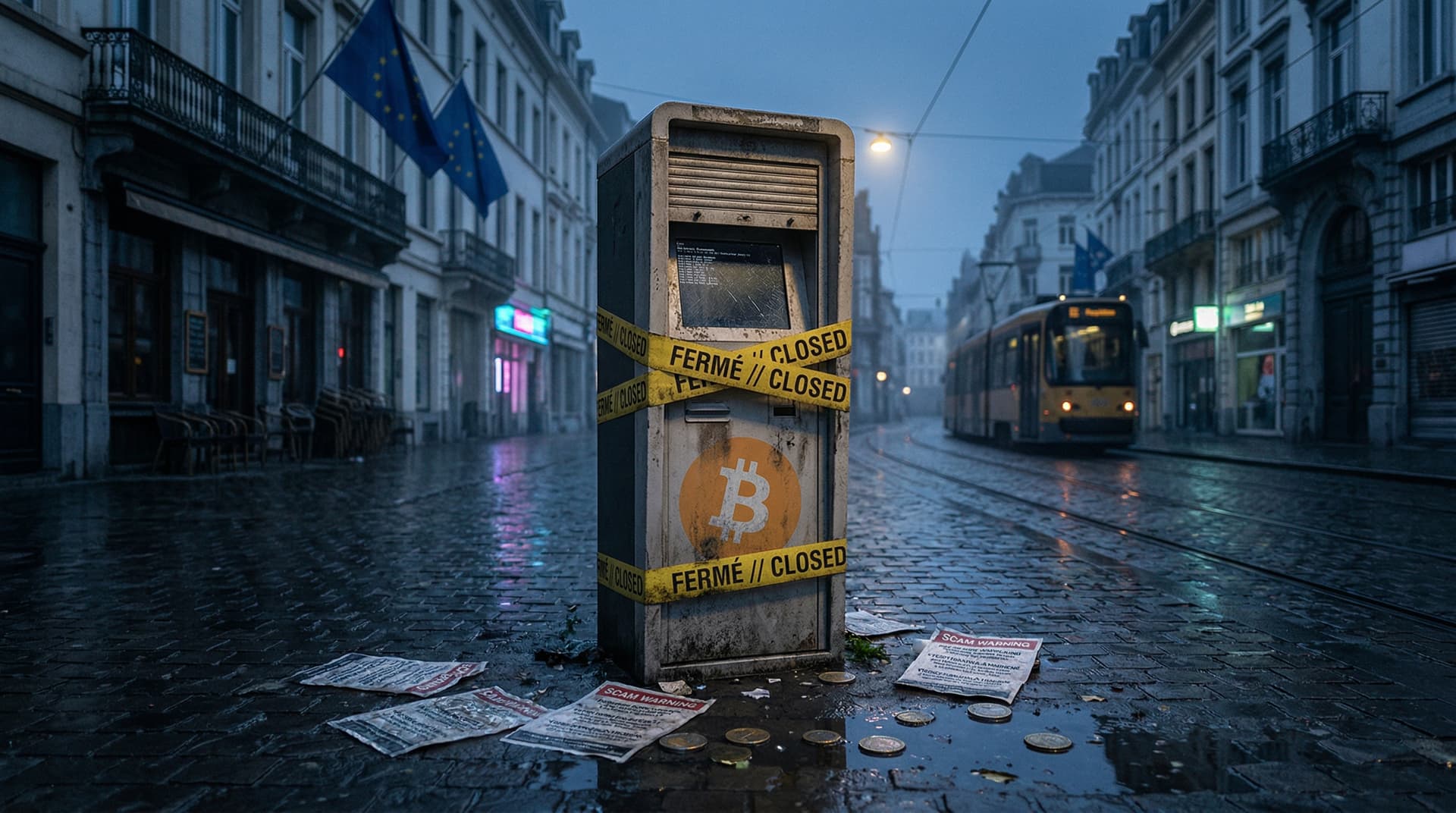
Minnesota Senate passed a crypto kiosk ban on April 11, 2026. Lawmakers cited 1,200 scams last year that cost victims USD 5.2 million, per the state Attorney General's office. The precedent alarms operators of Europe's 40,000 Bitcoin ATMs.
European Commission officials monitor U.S. developments closely. Bitcoin ATMs across the EU face scam and energy scrutiny under MiCA and the Green Deal.
Minnesota Establishes Crypto Kiosk Ban Precedent
The bill won bipartisan support. It bans kiosks that enable cash-to-crypto buys with high fees and lax oversight. The prohibition starts July 1, 2026.
Global kiosk operators generated USD 2 billion in revenue last year, according to Statista.
Bitcoin ATMs Dominate European Markets
Coin ATM Radar counts over 40,000 Bitcoin ATMs in Europe as of April 11, 2026. The UK hosts 1,200 machines, Spain and Germany follow closely.
These kiosks handle EUR 500 million in annual transactions. Operators levy 7-15% fees. Bitcoin traded at USD 73,085 that day, per CoinMarketCap.
Crypto Scams Explode in Europe
Europol logged 15,000 crypto scams in 2025, with losses reaching EUR 1.2 billion. Kiosks appeared in 20% of cases, often targeting tourists in Amsterdam and Prague.
French police report a 30% kiosk fraud surge in 2026, totaling USD 150 million. Market volatility heightens these dangers.
Bitcoin's Energy Use Draws EU Fire
Bitcoin mining guzzles 150 TWh yearly, matching Poland's consumption, says the Cambridge Centre for Alternative Finance. Kiosks drive retail Bitcoin adoption, conflicting with the European Commission's Green Deal net-zero goal by 2050.
Post-merge Ethereum's proof-of-stake cuts energy 99%. Kiosks, however, favor proof-of-work Bitcoin.
MiCA Regulation Clamps Down on Crypto Kiosks
Markets in Crypto-Assets Regulation (EU) 2023/1114 took full effect in January 2026. It mandates licensing for crypto-asset service providers (CASPs), including ATM operators, supervised by the European Banking Authority (EBA).
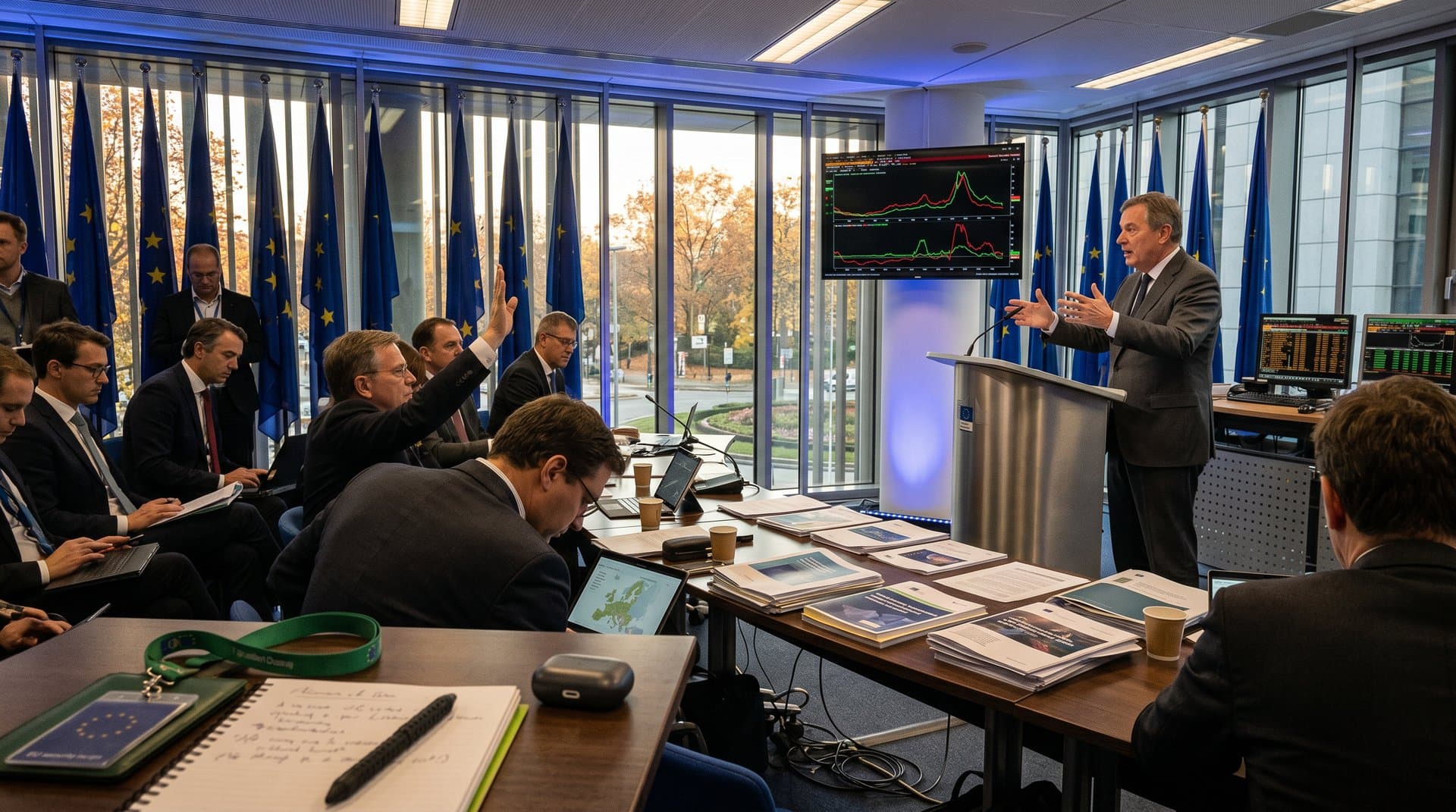
Germany's Federal Financial Supervisory Authority (BaFin) probes 500 kiosks for anti-money laundering lapses. Italy considers caps after scam surges. The European Parliament's Economic and Monetary Affairs (ECON) Committee debates tighter ATM rules next week.
DeFi and Banks Offer Kiosk Alternatives
Decentralized finance (DeFi) platforms and bank crypto custody sidestep physical kiosks. Deutsche Bank provides MiCA-compliant Bitcoin exchange-traded funds (ETFs). EU crypto exchange volumes hit EUR 50 billion monthly.
The European Central Bank (ECB) flags systemic risks from fraud. Chainalysis AI detects 95% of illicit transactions.
Commission Task Force Targets Crypto Kiosks
The European Commission's Directorate-General for Financial Stability, Financial Services and Capital Markets Union (DG FISMA) launches a task force on April 15, 2026. It examines U.S. models like Minnesota's ban. Non-compliant national bans threaten operators.
Swedish kiosks test fee-funded anti-scam tools and ID verification. The ECB pilots the digital euro to reduce ATM reliance.
Minnesota's action curbs impulse scams effectively. Europe's Bitcoin ATM operators stand at a crypto kiosk ban crossroads. MiCA compliance and regulated channels define their future.