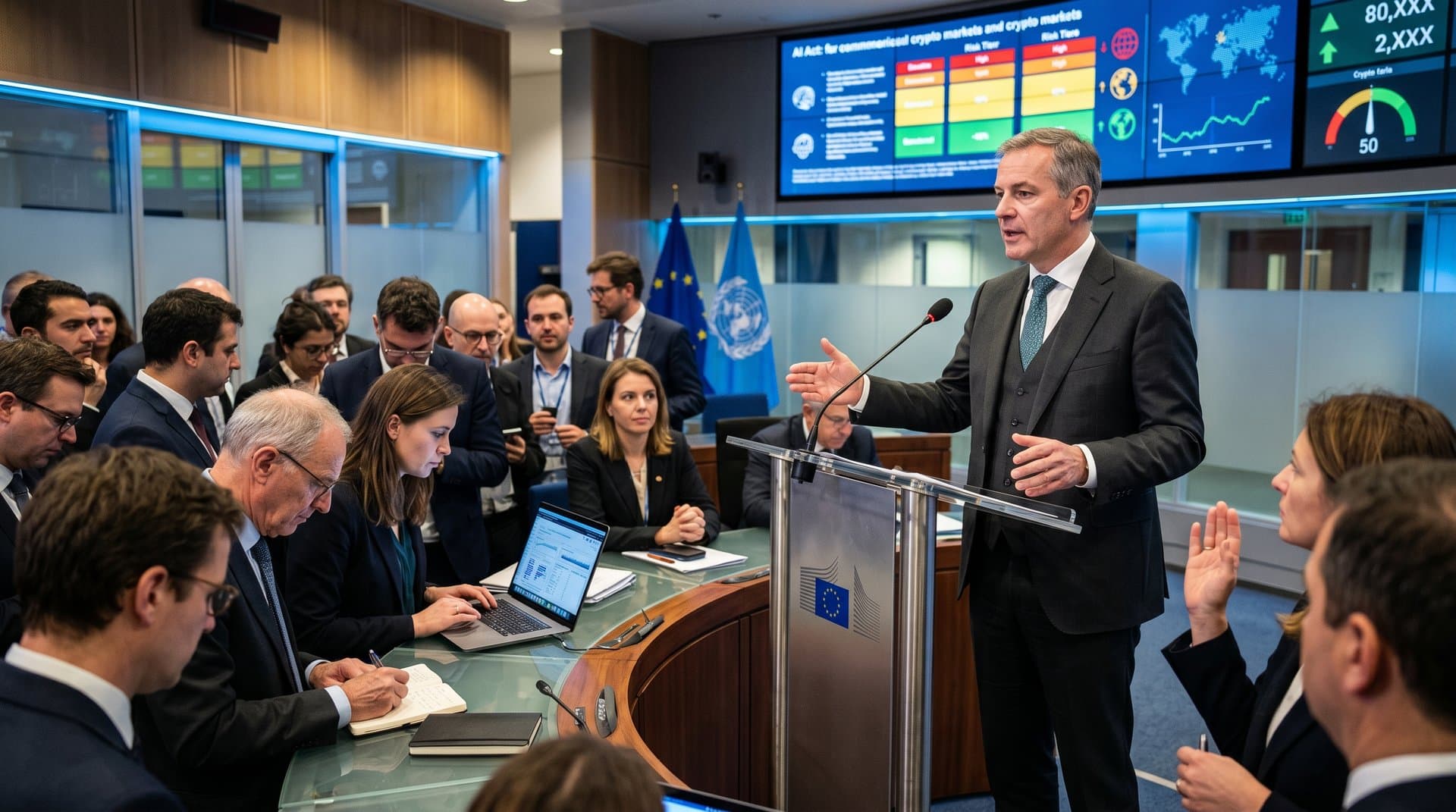
On April 11, 2026, President Vladimir Putin ordered a 50 billion USD five-year investment in Russia AI infrastructure during a high-level AI meeting. This directive pressures European Commission regulators and challenges Europe's machine learning supremacy.
The Kremlin published session details. Putin emphasized domestic chip production and military AI applications to counter Western sanctions restricting advanced semiconductors.
Kremlin Unveils Russia AI Targets
Russia aims to deploy 10,000 AI-optimized supercomputers by 2030, per the official transcript. State-backed Sberbank leads machine learning model training. The investment allocates 20 billion USD to AI hardware fabs in 2026 alone.
ING chief economist for Eastern Europe Franziska Palmas highlighted the scale. "Russia's 50 billion USD commitment rivals the EU's 45 billion EUR AI budget through 2027," she said. This parity prompts the European Commission to reassess Digital Markets Act (DMA) enforcement.
Eurostat data released April 11, 2026, shows EU exports of AI software to Russia fell 35% in 2025. Sanctions limit imports, but Moscow accelerates domestic innovation. German machine learning firms like Aleph Alpha report 150 million EUR in lost contracts.
EU AI Act Faces New Competitive Pressures
The European Union's Artificial Intelligence Act (AI Act), effective since August 2025, classifies high-risk systems under strict rules. Russia's push exploits enforcement gaps. Kremlin AI prioritizes non-prohibited uses like predictive analytics for energy sectors.
Marie-Laure Sauty de Chalon, advisor on France's AI strategy, warned of spillovers. "Unregulated Russian models could undercut EU firms in global markets," she stated at a Paris briefing on April 11, 2026. Italy's Enel seeks exemptions for grid AI collaboration with Russian partners.
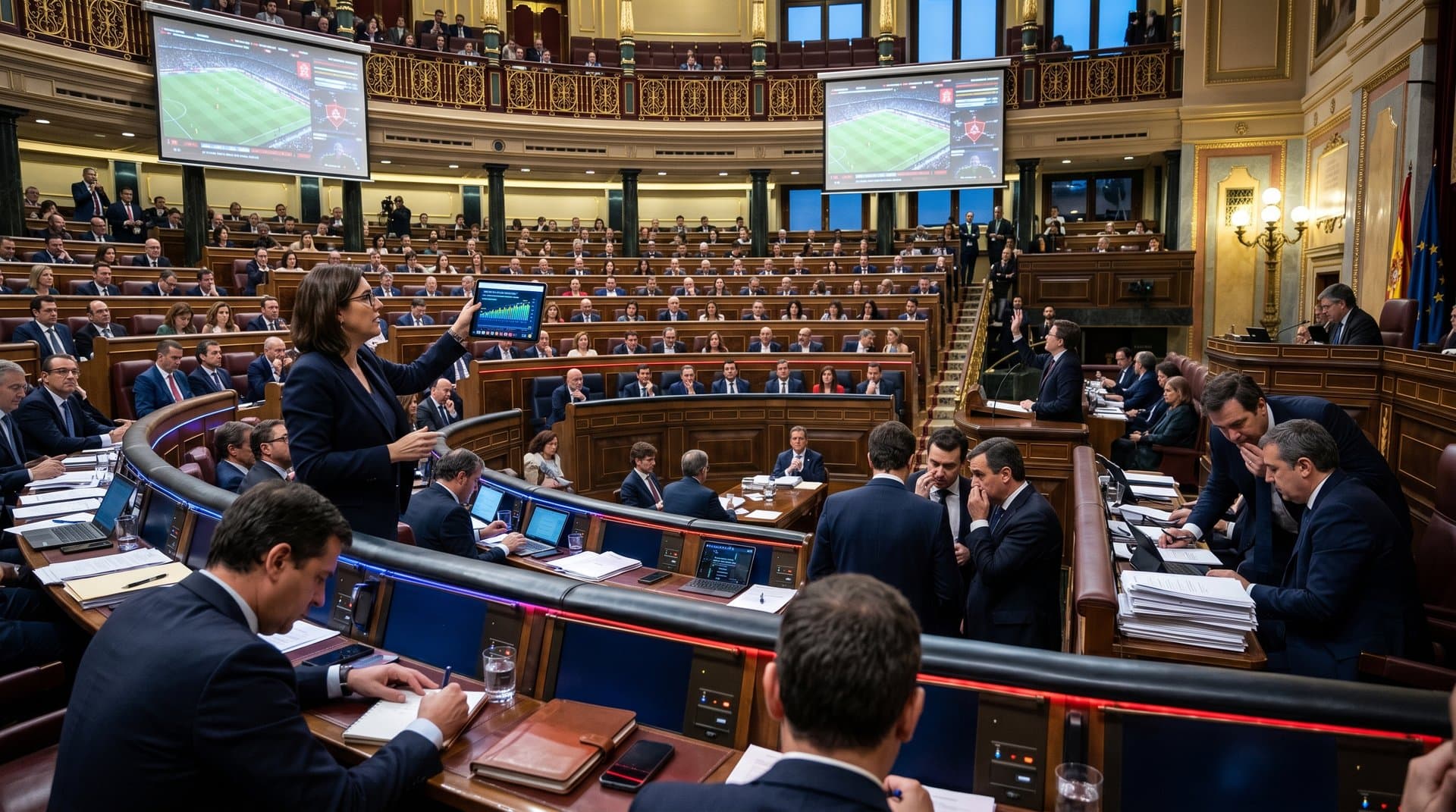
Cross-country gaps expand. Germany allocates 5 billion EUR to AI in its 2026 budget, per Bundesfinanzministerium figures. Spain commits 800 million EUR, hindering unified EU responses. Greece suffers talent drain as Russian salaries attract engineers.
Machine learning benchmarks reveal Russia closing the gap. YandexGPT 4 scored 92% on GLUE tasks, trailing Mistral Large by 3 points, per Hugging Face leaderboard updated April 11, 2026.
Economic Ripples Hit Eurozone Markets
Eurozone GDP growth forecasts for 2026 dipped 0.2 points to 1.1%, European Central Bank (ECB) data shows. AI competition elevates cloud computing input costs. Netherlands-based ASML reports a 12% drop in sales to non-EU markets.
Crypto markets reflect geopolitical tension. The Fear & Greed Index reached 15 (extreme fear) on April 11, 2026. Bitcoin traded at 72,722 USD (down 0.5%), Ethereum at 2,243.08 USD (down 0.2%), per CoinMarketCap.
XRP fell 1.2% to 1.34 USD. BNB declined 0.5% to 604.84 USD. USDT held steady at 1.00 USD. Analysts tie the selloff to fears over AI arms race disrupting decentralized machine learning networks.
Deutsche Bank strategist Henrik Gullberg commented. "Russia's AI hardware focus threatens blockchain-AI hybrids essential for eurozone fintech," he said. The ECB monitors impacts on its 2.4% inflation target.
Finance and Tech Convergence Raises Stakes
Russia integrates AI into its Mir payment system for fraud detection. This rivals the EU's proposed PSD3 (Payment Services Directive 3) promoting machine learning in banking. Polish fintechs have lost 20% Eastern Europe market share, per National Bank of Poland statistics.
Investment flows shift. EU AI venture capital dipped 8% to 12 billion EUR in Q1 2026, PitchBook reports. Russian sovereign funds drew 3 billion USD from Asia. The gap between EU leaders like France and laggards like Portugal widens to 15 billion EUR.
ECB Vice President Luis de Guindos highlighted risks on April 11, 2026. "AI-driven productivity must offset trade frictions," he noted. Eurozone unemployment stays at 6.5%, though AI job shifts loom.
Cross-Border Machine Learning Rivalry
Russia offers EU-trained talent 200,000 USD salaries, per LinkedIn data. Over 500 engineers from Germany's Max Planck Institute have defected since January 2026. The EU AI Pact targets retaining 100,000 specialists, but funding falls short.
Sweden's AI Council forecasts 0.5% GDP boost from countermeasures. The Netherlands invests 1.2 billion EUR in quantum-AI hybrids. Southern states like Portugal allocate 200 million EUR, deepening north-south divides.
Global benchmarks heighten pressure. Russia's Perplexity rival scores 88% on MMLU, nearing the EU's 91%, Stanford AI Index indicates. The European Commission plans AI stress tests by July 2026.
Market Reactions and Forward Outlook
DAX dropped 1.1% to 18,200 points on April 11, 2026. CAC 40 fell 0.9% to 7,450. Tech stocks like SAP lost 2.3%. Russian MOEX rose 0.8%, bucking the trend.
Economists note divergences. "Germany gains from export bans, but Spain endures supply chain hits," said ING's Carsten Brzeski on April 11, 2026. Watch the ECB's April 24 meeting for rate signals.
Russia AI surge tests EU cohesion. The European Commission must balance regulation with innovation to maintain its edge. Next data point: Eurostat AI trade report on April 18, 2026.