IFA 2024: Where Technology Meets European Culture
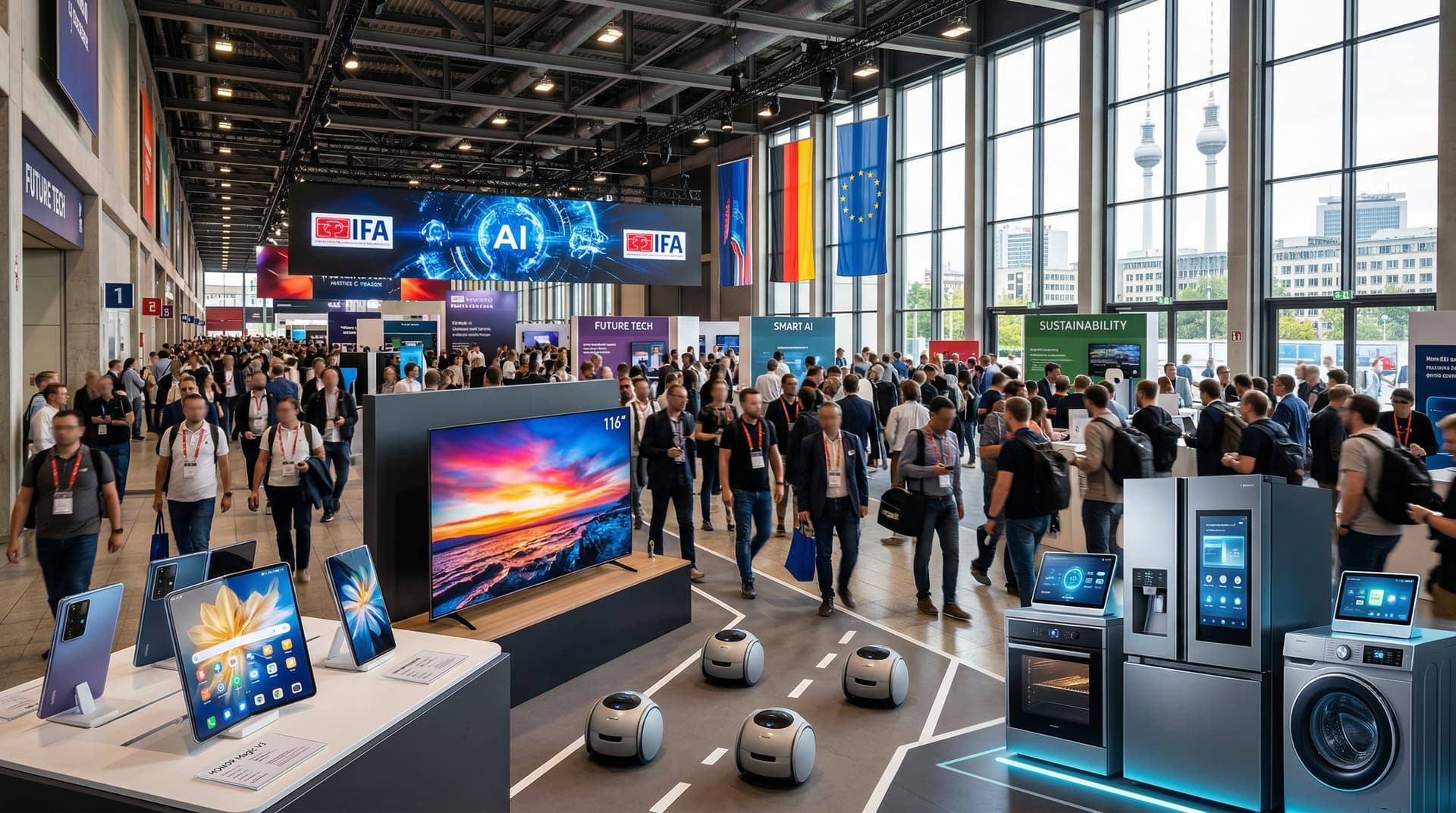
Berlin, September 6-10, 2024 – In the heart of Europe's vibrant capital, IFA 2024 unfolded as more than just a trade show; it was a cultural phenomenon. As Europe's premier consumer electronics event, IFA drew over 180,000 visitors from around the world, but its pulse beat strongest for continental audiences. This year's edition emphasized how technology is seamlessly integrating into daily life, influencing everything from home aesthetics to entertainment rituals and sustainable practices that define modern European culture.
Held at the historic Messe Berlin fairgrounds, IFA has roots dating back to 1924, evolving from a radio exhibition into a global showcase. In 2024, amid economic recovery and a push for green tech, the fair reflected Europe's dual focus on innovation and cultural preservation. Exhibitors from over 50 countries presented products that resonate with the continent's values: privacy-conscious AI, energy-efficient appliances, and devices promoting work-life balance.
Foldables and Mobiles: Redefining Personal Expression
Honor stole the spotlight with the Magic V3, the world's thinnest book-style foldable smartphone at just 9.2mm when folded. Priced competitively for European markets, it features a 7.92-inch inner display and Snapdragon 8 Gen 3 chipset, catering to creators and multitaskers. In a culture where smartphones are extensions of identity – think Instagram-savvy Italians or TikTok-trending Spaniards – such devices empower personal storytelling.
Samsung countered with its Galaxy Book5 series, integrating AI for seamless productivity. Meanwhile, Motorola unveiled the Razr 50 Ultra in eye-catching colors, appealing to fashion-forward Europeans. These launches underscore a cultural shift: mobiles as accessories, blending tech with style akin to Milan's fashion weeks.
AI in the Home: Transforming Domestic Culture
AI dominated IFA, mirroring Europe's cautious yet enthusiastic embrace post-EU AI Act. Samsung's Ballie robot, a spherical AI companion, returned upgraded with facial recognition and projector capabilities. It promises to manage homes intelligently – dimming lights for movie nights or suggesting recipes – enhancing the cozy 'hygge' of Nordic living or French 'joie de vivre'.
Hisense's 116-inch TriChroma Mini-LED TV, the largest at IFA, boasted Dolby Vision and 20,000 nits brightness, perfect for communal viewing in family-oriented cultures like Spain or Germany. LG's 97-inch OLED evo TV with Zero Connect wireless tech eliminates cable clutter, aligning with minimalist Scandinavian design.
Sustainability was cultural too: Bosch-Siemens Hausgeräte (BSH) showcased AI-driven washing machines that optimize water use, resonating with eco-conscious Europeans amid climate goals. The EU's Green Deal influence was evident, with exhibitors touting recycled materials and energy labels.
Audio and Wearables: Soundtracking European Lifestyles
Bang & Olufsen elevated audio culture with the Beosound Level, a modular speaker blending high-fidelity sound with customizable wood and fabric covers – a nod to artisanal craftsmanship. JBL's Tour One M3 headphones featured AI noise cancellation, ideal for commuters in bustling Paris or Amsterdam.
Wearables like the Withings Omnia Mirror, a smart bathroom scale with body composition analysis, promote wellness culture. Huawei's Watch GT 5 series tracked health metrics with ECG, supporting Europe's aging populations and active lifestyles from Alpine hikes to Mediterranean swims.
Gaming and Entertainment: Europe's Playful Side
Gaming culture thrived with Razer, ASUS ROG, and MSI unveiling laptops like the ROG Zephyrus G16 with Intel Lunar Lake CPUs. These target Europe's booming esports scene, from French leagues to German LAN parties. Immersive tech like TP-Link's Tapo C425 KIT outdoor cameras with 2K resolution enhanced smart home security, safeguarding cultural treasures in historic homes.
Keynotes from Qualcomm's Cristiano Amon and MediaTek's Rick Tsai highlighted on-device AI, crucial for data privacy in GDPR-strict Europe. Nvidia's presence focused on edge computing for creators, fueling digital art scenes in Berlin's Kreuzberg or London's Shoreditch.
European Spotlight: Local Innovators Shine
Germany's own Miele presented the first AI-enabled washing machine with TwinDos Pro, reducing detergent use by 30%. Dutch firm Philips unveiled Hue's Matter-compatible smart lights, fostering connected homes. Spanish startup Nothing dropped the Phone (2a) Plus with Glyph interface, gaining traction for its transparent design ethos.
The IFA Next area spotlighted startups: Finnish Enbala's energy management AI and Polish Skriware's educational robots, promoting STEM culture in schools. Diversity initiatives included women-led panels on ethical AI, reflecting Europe's progressive values.
Cultural Impact and Future Outlook
IFA 2024 wasn't just products; it was a mirror to Europe's soul. In a post-pandemic world, tech fosters connection – VR headsets for virtual museum tours preserve heritage, while AI assistants bridge language gaps in multicultural cities. Yet, challenges loom: affordability amid inflation and ethical AI debates.
As Berlin's techno clubs pulsed nearby, IFA reminded us technology amplifies culture. From Parisian cafes streaming on foldables to Roman families gathered around massive TVs, these innovations enrich traditions. Looking ahead, IFA 2025 promises deeper quantum and biotech integrations, but 2024 set the tone: tech as cultural enabler.
In numbers: 2,000 exhibitors, 100,000 sqm space, countless handshakes forging Europe's tech future. For culture enthusiasts, IFA proves gadgets are more than tools – they're the new folklore of our digital age.
(Word count: 912)