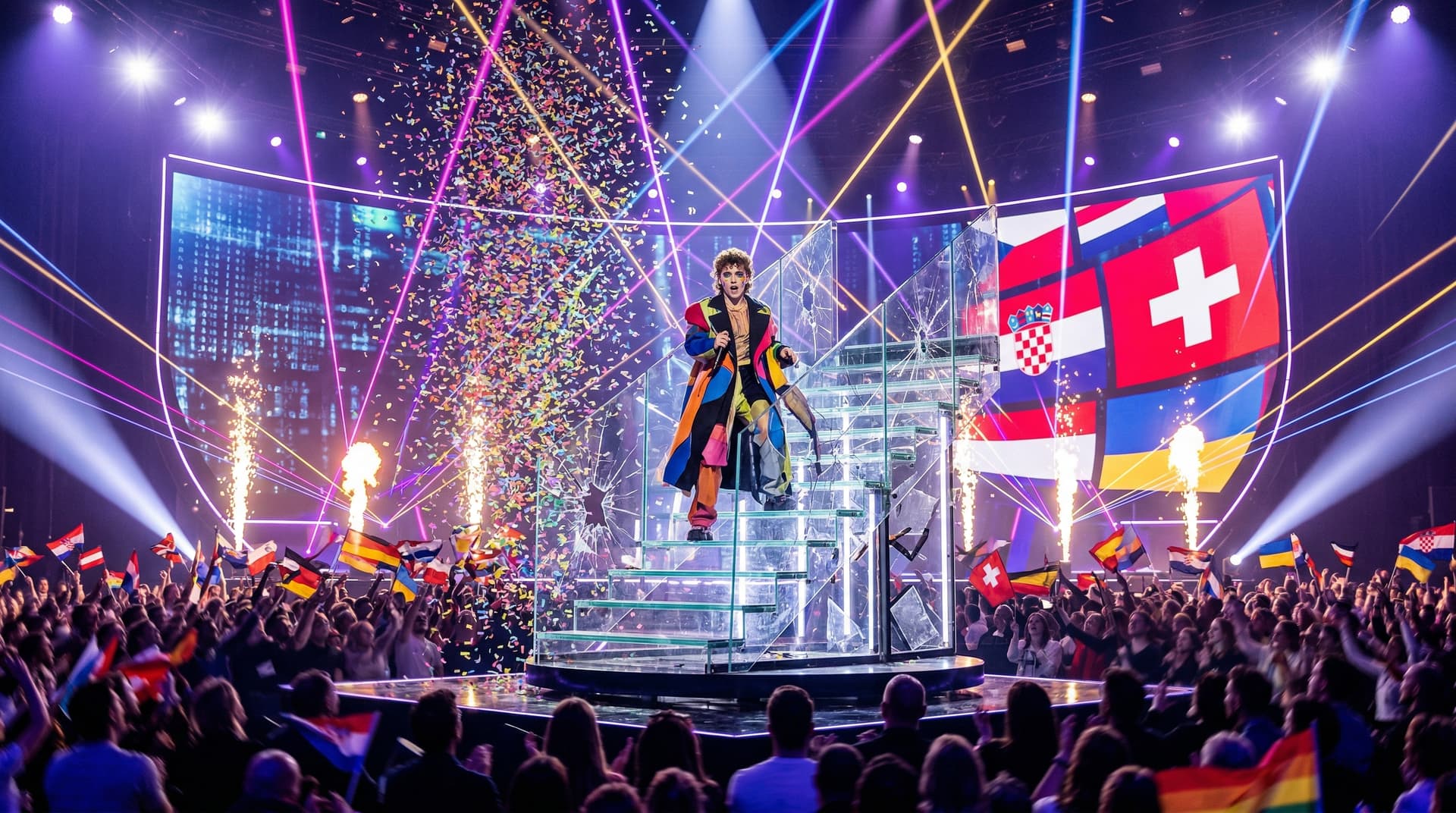
The Malmö Arena erupted in jubilation on May 11, 2024, as Switzerland's Nemo was crowned the winner of the 68th Eurovision Song Contest. Performing the electrifying 'The Code', a blend of drum-and-bass, opera, and rap, Nemo amassed 591 points, securing victory over fierce competition from Croatia and Ukraine. This marked Switzerland's first Eurovision triumph since Céline Dion's iconic 1988 win with 'Ne partez pas sans moi', reigniting national pride in a nation not known for frequent podium finishes.
A Host City Steeped in Controversy
Malmö, Sweden's third-largest city, hosted the contest for the third time in Eurovision history, following victories by Loreen in 2012 and 2023. The choice of venue was not without tension. Protests against Israel's participation, led by artist Eden Golan, drew thousands to the streets, highlighting geopolitical divides. Swedish police bolstered security amid fears of unrest, yet the event proceeded with its signature mix of glamour and glitter. Broadcaster SVT faced backlash for its handling of the situation, but the show must go on ethos prevailed.
Nemo, a 25-year-old non-binary artist from Switzerland, brought a message of self-discovery to the stage. 'The Code' narrates Nemo's journey from birth, grappling with gender identity through a glass-smashing metaphor. The performance featured a stunning revolving staircase set piece, symbolizing breaking barriers. Nemo later shared in a press conference, 'This song is about finding yourself and breaking the codes that society imposes on us.'
Standout Performances and Jury-Public Split
The grand final showcased 26 acts, with semi-final qualifiers joining the 'Big Five' and host Sweden. Croatia's Baby Lasagna followed closely with 'Rim Tim Tagi Dim', a heavy metal-folk fusion about rural exodus, earning 547 points for second place. Ukraine's alyona alyona & Jerry Heil took bronze with 'Teresa & Maria', a poignant folk-rap ode to resilience amid war, scoring 453 points.
Notable mentions included France's Slimane ('Mon amour'), whose emotional ballad resonated with juries, and Ireland's Bambie Thug, delivering a witchy 'Doomsday Blue' that thrilled alternative fans. The Netherlands' Joost Klein was dramatically disqualified hours before the final over an alleged backstage incident with a cameraman, adding to the night's unpredictability.
Voting revealed stark divides: juries favored polished pop like France, while public televotes propelled raw energy acts like Croatia to the top. Switzerland led both, a rare harmony. Over 180 countries broadcast the show, with global streams shattering records on platforms like YouTube.
Cultural Tapestry of Europe
Eurovision remains Europe's premier cultural export, blending music, politics, and identity. Since its 1956 inception in Lugano, Switzerland, it has evolved from a light-hearted songfest to a platform for social commentary. This year's entries tackled queerness (Nemo, Ireland), migration (Croatia, Italy's Angelina Mango), and conflict (Ukraine, Israel).
The contest's queer legacy shone bright. Nemo joins past winners like Conchita Wurst (2014) in championing LGBTQ+ visibility. Malmö's diverse crowd, waving flags from Albania to the UK, embodied the European Broadcasting Union's motto: 'United by Music'. Yet, boycotts by some musicians underscored fractures, particularly over Gaza.
Nemo's Rise and Swiss Ecstasy
Born in 1999 as Nemo Mettler, the artist from Biel/Bienne honed skills on piano and drums before embracing rap and electronic beats. 'The Code' topped Swiss charts pre-contest, and Nemo's win propelled it globally. Back home, celebrations erupted in Bern and Geneva, with President Alain Berset hailing it as 'a victory for artistic freedom'.
Switzerland will host in 2025, likely in Basel or Zurich, promising a return to roots. Nemo teased, 'Expect something magical.' The win boosts Swiss tourism and music exports, following ABBA's 1974 'Waterloo' legacy.
Beyond the Stage: Legacy and Impact
Eurovision 2024 logged 182 million viewers across Europe, per EBU estimates, with social media buzzing under #Eurovision. TikTok challenges of 'The Code' went viral, while memes captured the drama. Commercially, winners often achieve stardom: think Måneskin or Duncan Laurence.
Critics praised the production's innovation—LED arenas, aerial drones—but noted dated elements like interval acts. Sustainability efforts included plant-based catering, aligning with Malmö's green ethos.
As confetti settled, Eurovision reaffirmed its role as a cultural barometer. In a polarized Europe, it unites through song, even amid boos and ballots. Nemo's 'The Code' cracks open conversations on identity, ensuring 2024's edition endures in lore.
For Europe World News, this triumph spotlights how music transcends borders, fostering dialogue in turbulent times. Stay tuned for 2025 announcements from Switzerland.
Word count: 912